

PET Chips Product Characteristics, Application and Market Development Analysis
PET Chips is an important basic polymer raw material in the polyester industrial chain, produced as granular resin through polymerization reaction. With relatively stable physical and chemical properties, good processing adaptability and considerable recycling potential, the material has found wide application in packaging, textile, high-end film, industrial and new energy sectors. The industry shows a high level of maturity and overall market demand maintains a steady upward trend. Based on viscosity parameters and end-use requirements, mainstream products fall into three categories including bottle grade, fiber grade and film grade. Each category features different performance focuses and can well satisfy demands from various niche markets. Bottle grade PET Chips delivers good transparency, gas barrier property and structural stability, and is widely used for food, beverage and daily chemical packaging. Fiber grade products show favorable purity and spinnability, suitable for manufacturing textile fabrics, home textiles and industrial chemical fiber goods. Film grade products possess outstanding stretching uniformity and light transmittance, serving as base materials for high end films, electronic insulation and photovoltaic supporting materials.
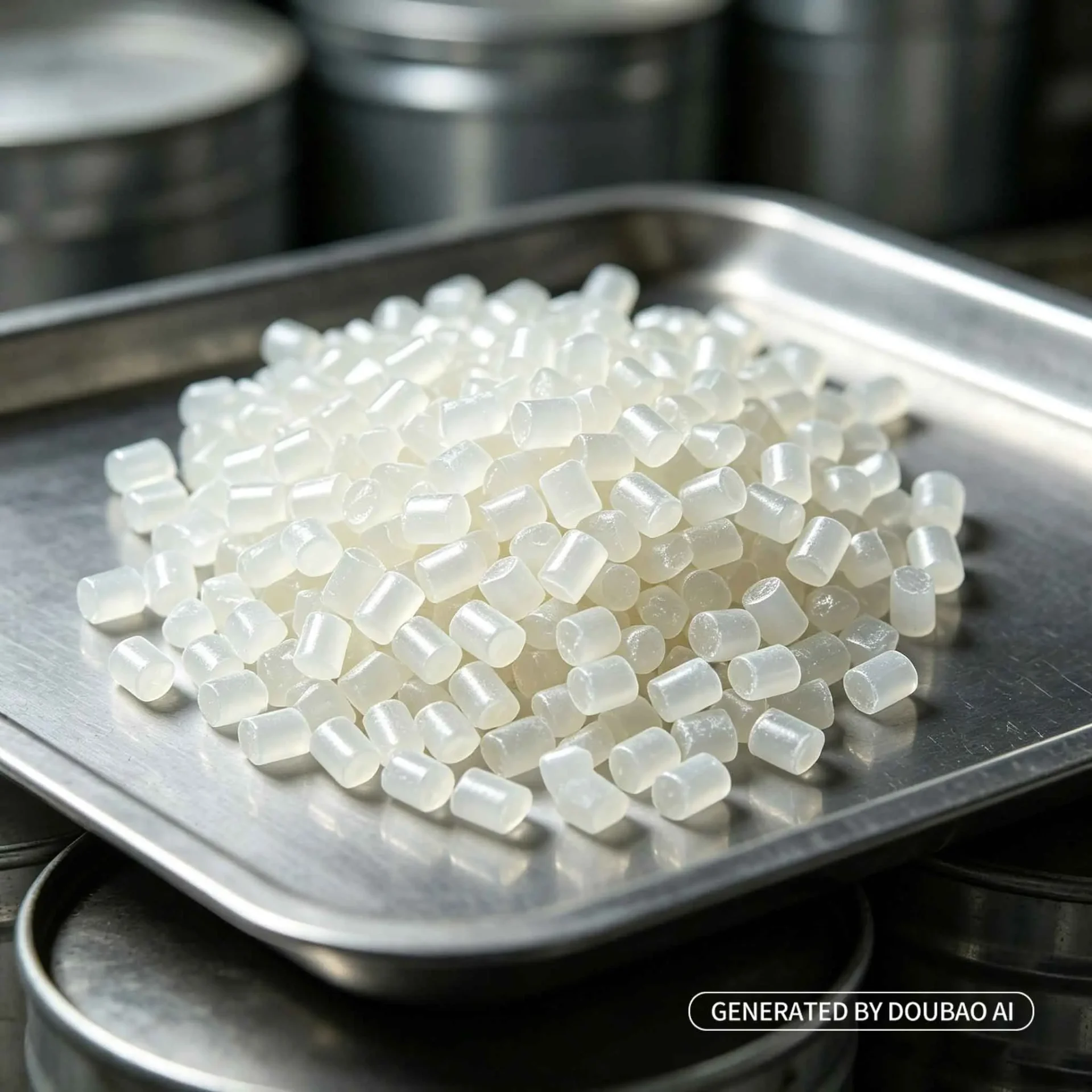
PET Chips exhibits balanced overall performance with decent tensile resistance, impact resistance and aging resistance. Finished products show minor dimensional deviation and can adapt to most conventional operating environments. The material also has sound resistance to acid, alkali and corrosion. Compliant grades produce no obvious harmful substance precipitation and can be adopted for food and daily chemical contact scenarios with relatively favorable safety performance. In terms of processing, the raw material has a stable melting range and fits multiple forming processes such as bottle blowing, fiber drawing, injection molding and biaxial stretching. It offers reliable mass production performance and maintains a good yield rate. Supported by mature large-scale production systems, overall manufacturing costs remain under control and bring certain cost-performance advantages. In addition, PET materials allow recycling and reprocessing with decent retention of properties after regeneration. It carries considerable recycling potential and fits well with current industrial trends toward green and low-carbon development.
In terms of market application, PET Chips presents a pattern combining traditional steady-demand markets and emerging growth markets. Packaging and textile sectors form fundamental downstream demand, covering civil scenarios such as food and beverage containers, daily chemical packages, garment fabrics and non-woven fabrics with generally stable consumption. Along with gradual development of high-end industry and new energy sectors, market demand for high-end film-grade chips keeps rising. These materials can be applied in mid-to-high end areas including optical films, electronic insulating materials, photovoltaic backsheets and automotive lightweight components, bringing considerable incremental room for industry growth. Meanwhile, modified and customized PET Chips are gaining penetration in niche segments such as precision industry and logistics building materials, further expanding product application scope.
At present, the global PET Chips industry has established a relatively mature supply and demand system with steadily expanding production capacity. Integrated and large-scale production modes are gaining popularity and supporting chains keep improving. Noticeable divergence exists in market structure. Supply of general-purpose bottle-grade and fiber-grade products is relatively sufficient and competition in these tracks is intense. Price-driven competition occurs in some segments and puts certain pressure on profit margins. Function oriented products featuring high purity, high barrier performance, weather resistance and low odor, as well as special chips for new energy and electronic applications, see relatively limited supply. They deliver higher added value and promising growth prospects.
The industry still faces multiple structural challenges. Low-end general-purpose capacity is comparatively concentrated. Manufacturing processes and quality control standards for high-end functional products set high thresholds and create certain technical barriers. The PET recycling industrial chain remains in continuous improvement. Stability of recycled products leaves room for further enhancement. Most recycled materials are applied in mid-and-low-end scenarios, and recycling value for high-end applications has not been fully tapped. Furthermore, raw material prices at upstream show periodic fluctuations, which generate certain impacts on production costs and profit stability. Small and medium-sized market participants face relatively greater operational pressure.
In the medium-to-long run, the PET Chips industry is expected to shift toward high-end, functional, green and customized development. Low-end homogeneous capacity may see orderly phase-out and industry concentration is likely to increase. Driven by downstream consumption upgrade and iteration of emerging industries, market demand may tilt toward high-value functional products. Customization capability for niche segments will become an important lever for market players to build differentiated advantages. Production processes for recycled PET may keep optimizing and the market share of green recycling industries could rise steadily, forming an industrial pattern where virgin materials and recycled materials develop in coordination. Driven by downstream sectors such as new energy and high-end electronics, the PET Chips industry is likely to improve its competitive landscape, mitigate homogeneous low-price competition and advance steadily toward high quality and high-value development.