

Nitrogen Fertilizer Types: Urea vs Ammonium Sulfate vs Ammonium Chloride
Soil fertility and balanced nutrients are key to high‑yield, high‑quality crops. As a vital macronutrient, nitrogen supports chlorophyll, protein and enzyme formation, boosting vegetative growth, yield and quality for cereals, vegetables and cash crops.
Applying appropriate nitrogen fertilizer is an efficient way to supplement soil nitrogen and stabilize yields. However, nitrogen fertilizers differ in nutrient content, release behavior, adaptability and potential risks. Farmers should understand fertilizer characteristics and select products matching local conditions to improve fertilizer efficiency, lower costs and avoid damage to soil and crops.
This guide covers three globally widely‑used nitrogen fertilizers: urea, ammonium sulfate and ammonium chloride. No single option fits all farms; their performance varies by chemical composition and accessory nutrients. Selection depends on soil type, crop varieties and budget.
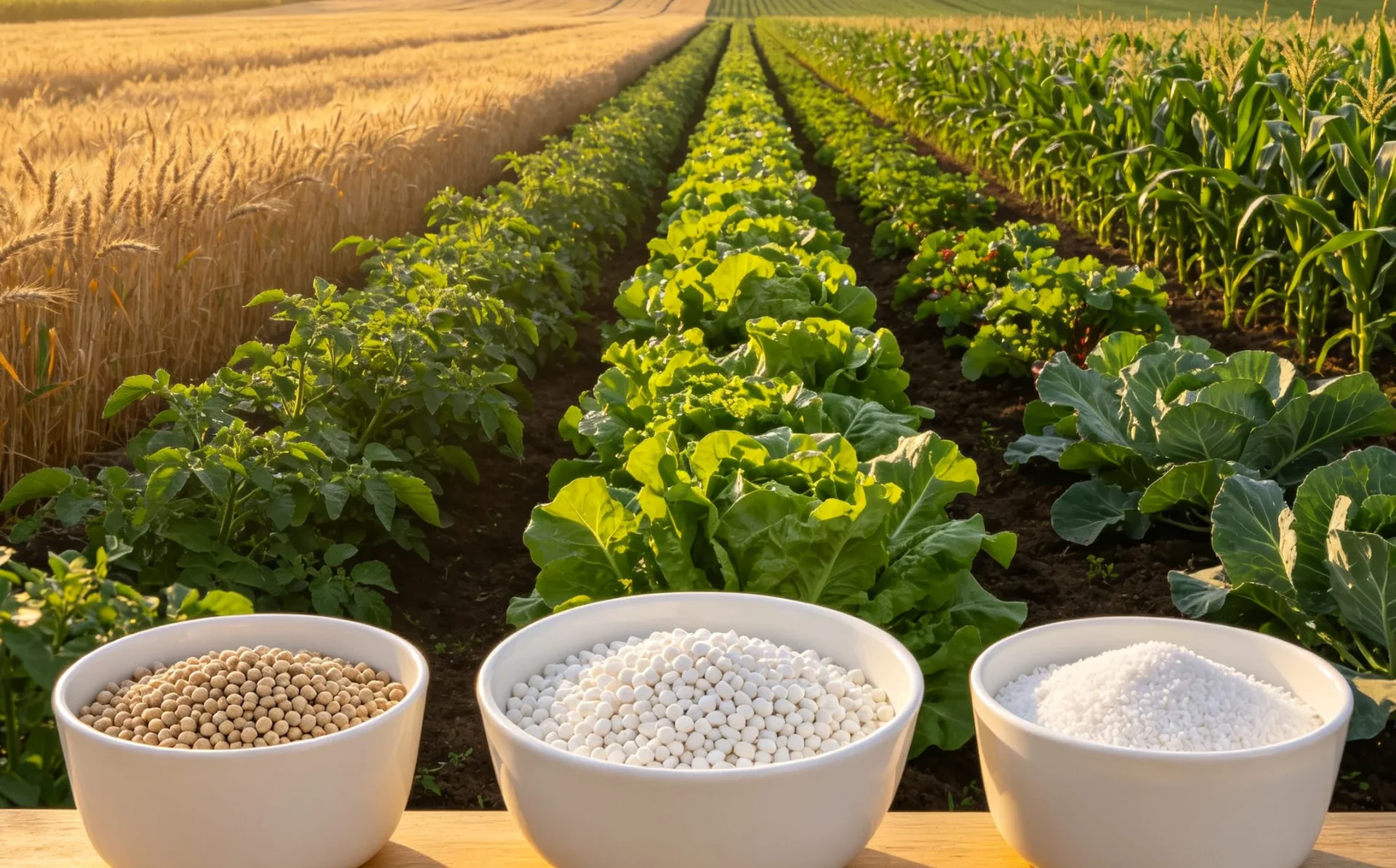
Basic Profile of Each Nitrogen Fertilizer
Urea
To make this decision easier, let’s start with a closer look at each fertilizer individually.
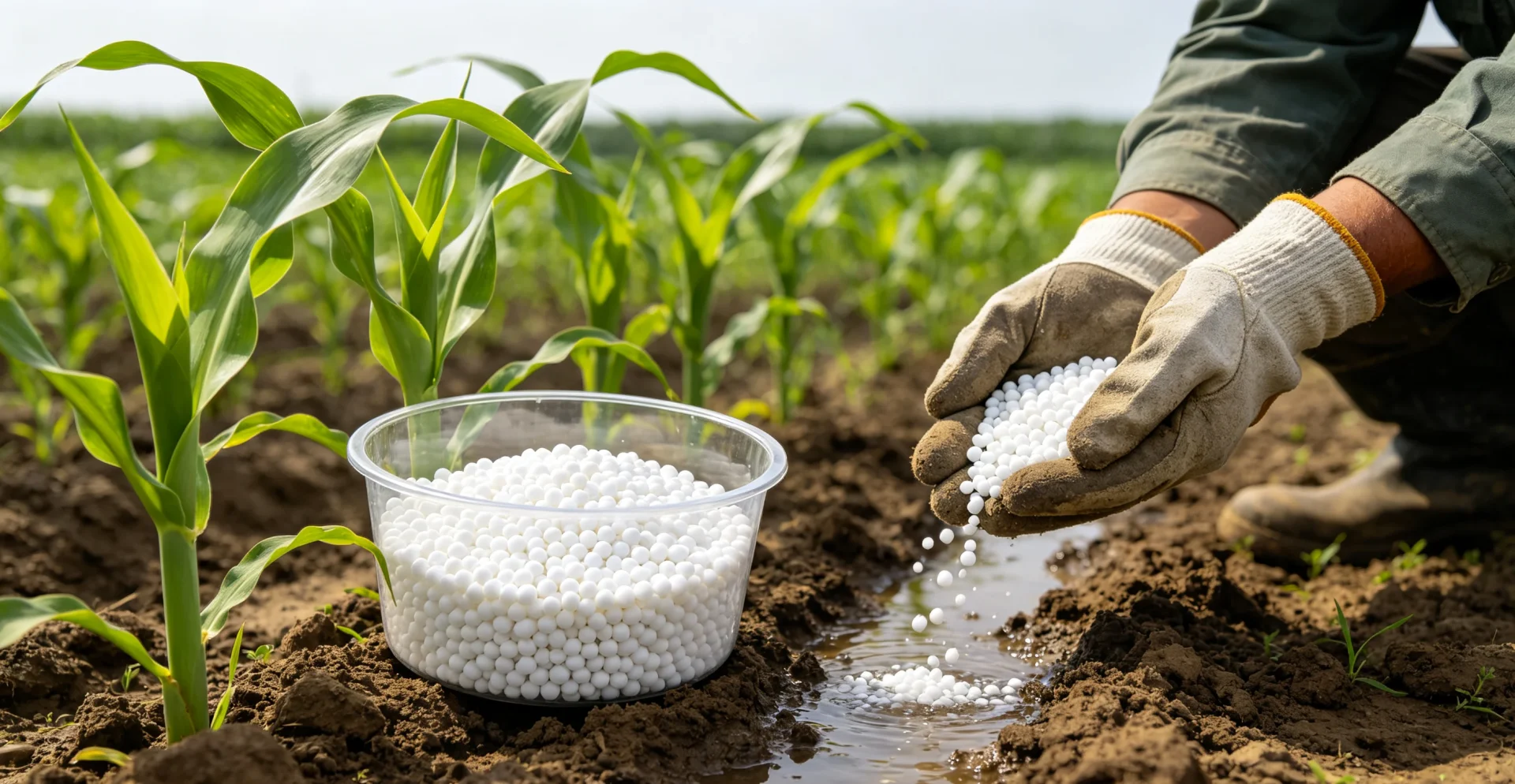
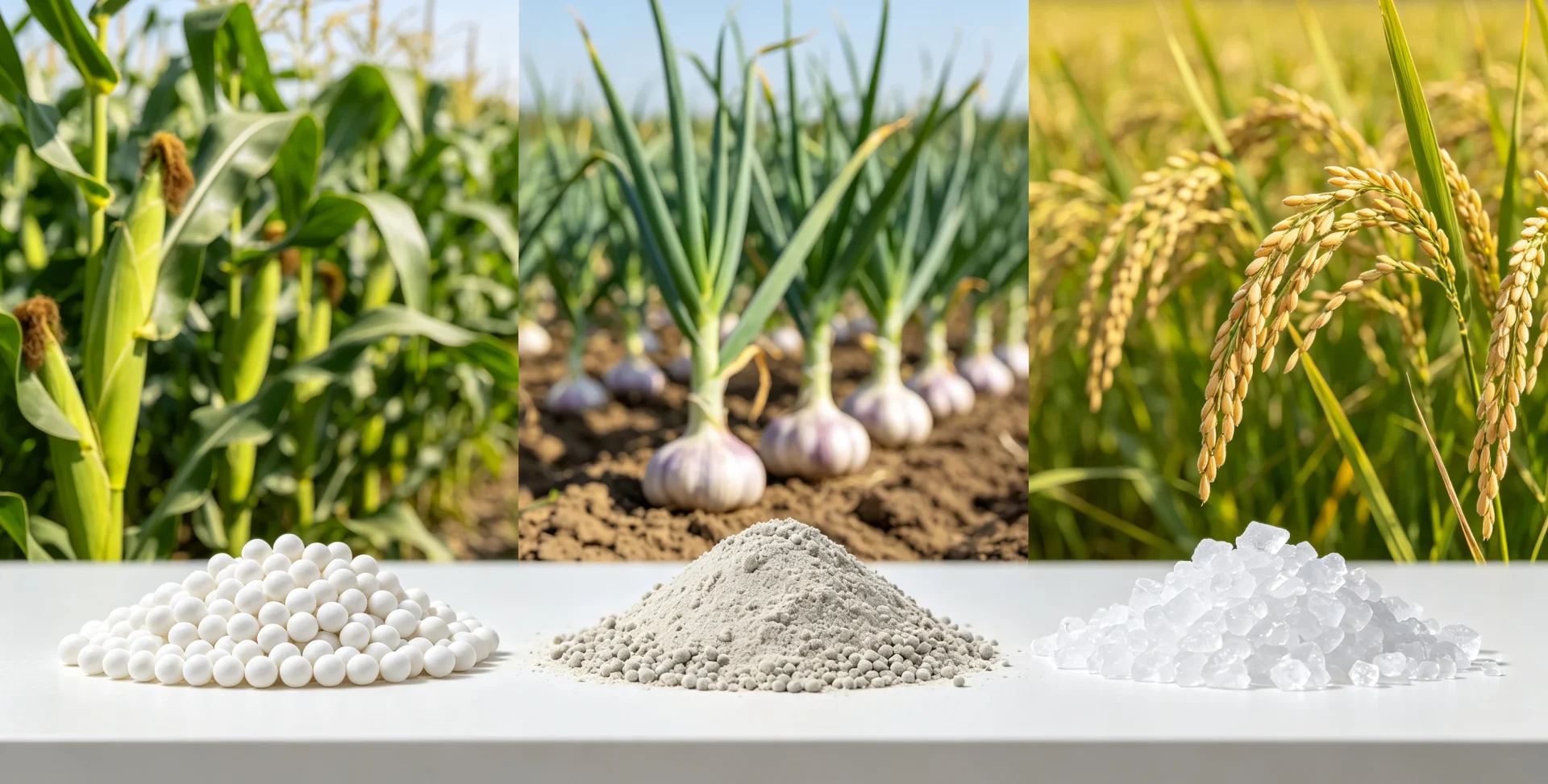
Urea is a kind of organic nitrogen fertilizer made by mixing ammonia and carbon dioxide in factories. It looks like small white round grains.
Its biggest good point is super high nitrogen levels. It works well for almost all plants and can even be sprayed directly on leaves. However, it easily loses nitrogen into the air if you spread it on dry soil without covering it with dirt. It may burn young seedlings if you use too much at once.
While urea leads in versatility, the other two options serve very specific agronomic purposes.
Ammonium Sulfate
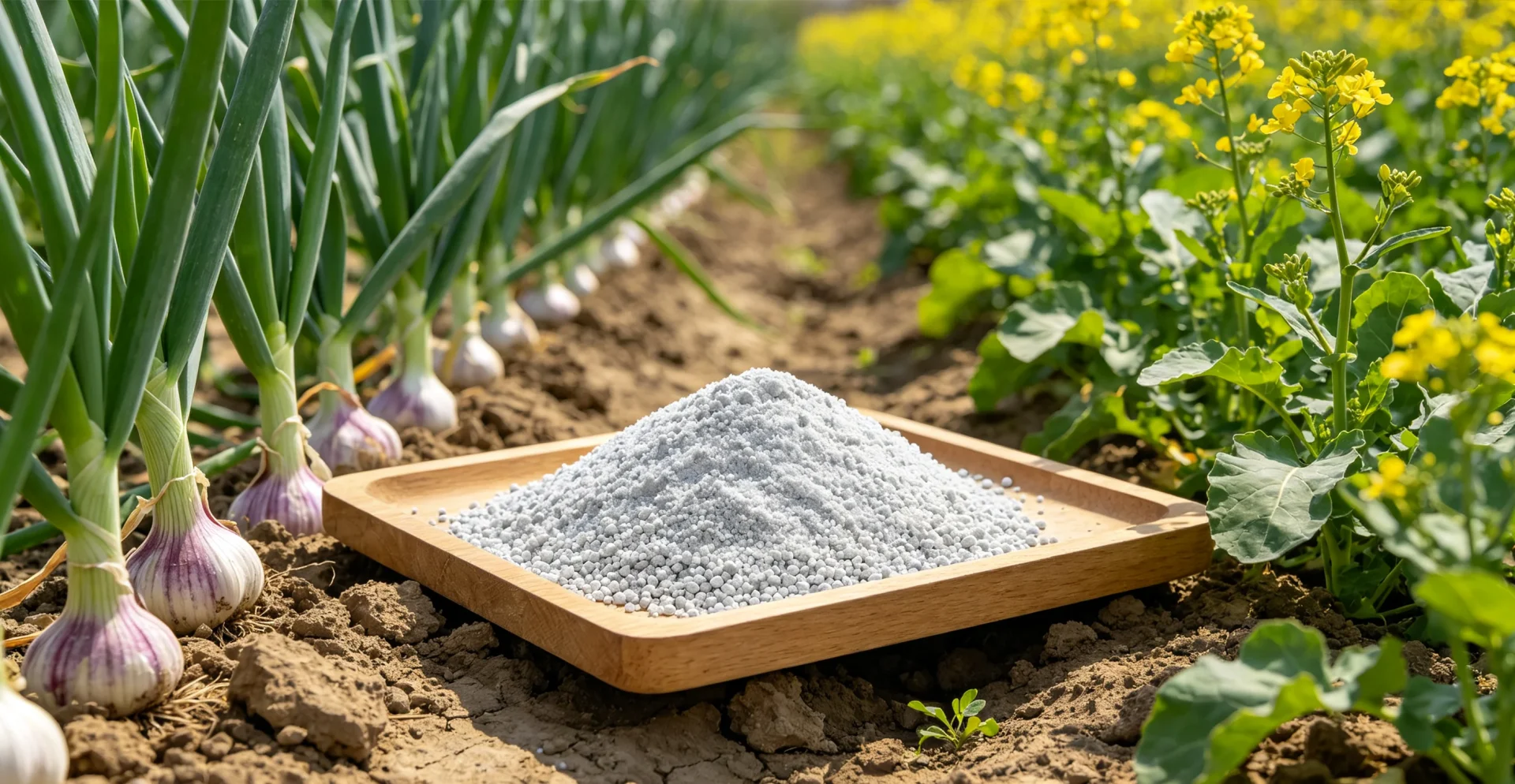
Ammonium sulfate is a by-product from chemical and coal-making factories. It is a white powder or small gray particles. It carries two key nutrients: nitrogen and sulfur.
This fertilizer makes soil less alkaline, so it fixes hard, dry alkaline farmland. Crops like garlic and rapeseed love extra sulfur and grow better with it. On the downside, it has low nitrogen content. If farmers use it every year for a long time, the soil will turn too acidic and become hard.
Unlike sulfate, the third major player brings chlorine into the equation—a feature that can be either a benefit or a liability.
Ammonium Chloride
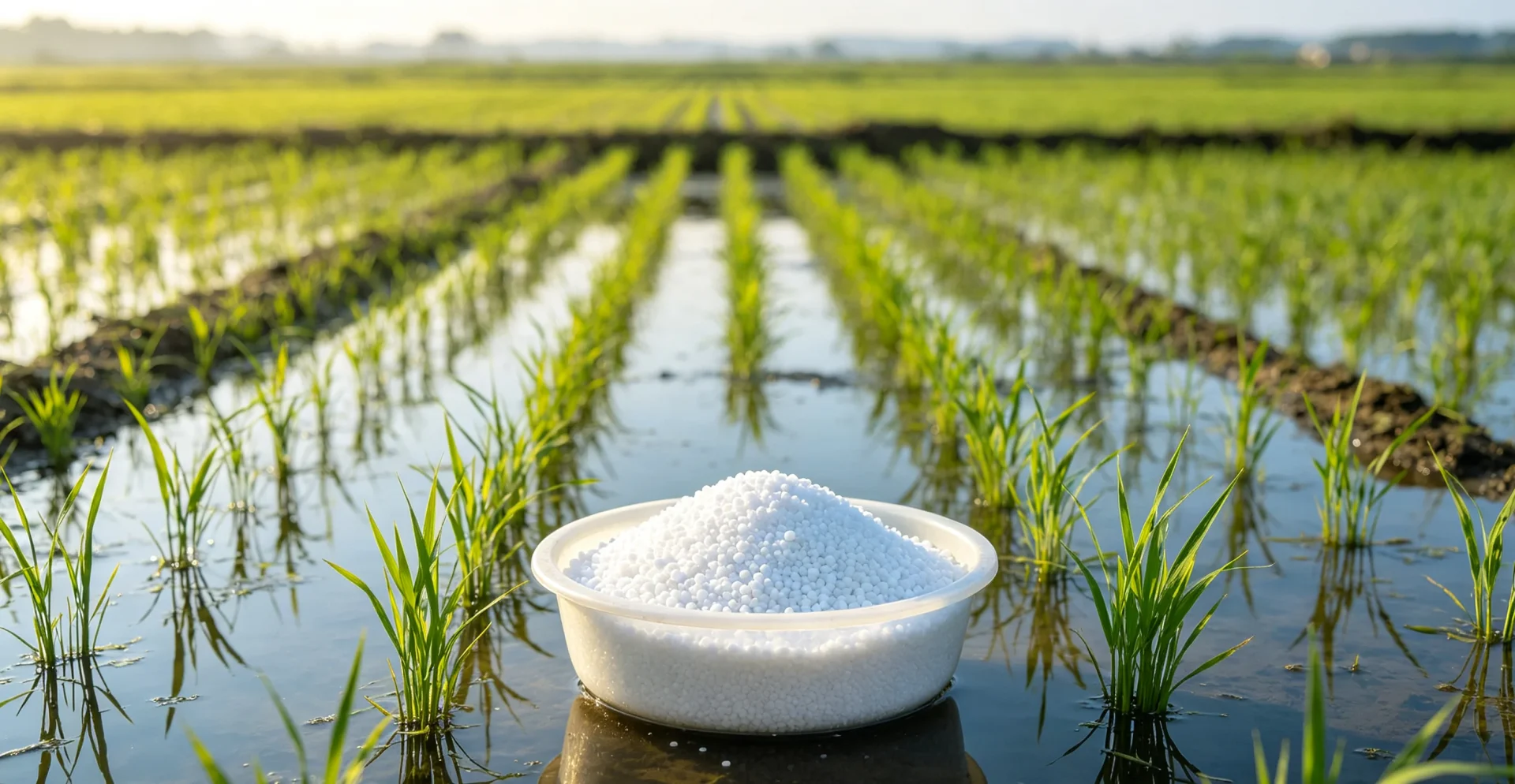
Ammonium chloride comes from salt and soda ash production. It is cheap white grain fertilizer with nitrogen and chlorine inside.
It is the most budget-friendly nitrogen fertilizer for large rice and cotton fields. Its nitrogen releases slowly and stays in soil longer. The biggest weakness is chlorine. Tobacco, grapes, potatoes and fruit trees hate chlorine—chlorine will ruin their taste and slow their growth.
Now that we’ve covered the individual characteristics, it becomes much clearer how these three stack up against each other in practical use.
4 Keys Comparative Differences
We compare the three fertilizers from four easy-to-understand angles: nutrient efficiency, soil fit, crop match, cost and daily use.
Nutrient index & fertilizer efficiency
Urea has the highest nitrogen percentage, so you need less weight to feed the same amount of nitrogen to crops. Ammonium sulfate and ammonium chloride have much lower nitrogen levels, meaning farmers have to carry and spread more bags.
Ammonium sulfate and ammonium chloride release nitrogen fast for quick feeding. Urea needs a few days to break down in soil before plants can take in its nitrogen. Urea is the only one safe for leaf spraying.
- Soil compatibility
All three fertilizers make soil slightly acidic after long-term use, but ammonium sulfate has the strongest acidifying effect. It is the top pick for dry, alkaline land.
Ammonium chloride fits neutral or slightly acidic soil best. It is not suitable for saline land because extra salt and chlorine will hurt plant roots. Urea works safely on nearly all soil types without making soil too acidic or salty quickly.
- Crop adaptability
Urea is the universal choice. It fits wheat, corn, all vegetables and most fruit trees with no big risks.
Ammonium sulfate is perfect for sulfur-loving crops: onions, garlic, canola and tea. It is also great for plants grown on alkaline ground.
Ammonium chloride only works for chlorine-tolerant crops such as rice, cotton and sugarcane. Never use it on chlorine-sensitive crops like tobacco, grapes, sweet potatoes and citrus fruits.
- Economic & usage performance
Ammonium chloride has the lowest price per unit of nitrogen, which saves lots of money for large farm owners. Urea’s overall cost sits in the middle, and ammonium sulfate costs the most.
When it comes to storage and mixing: all three absorb water and stick together on rainy humid days, so they need air-tight bags. Urea cannot mix with strong alkaline fertilizer, or nitrogen will escape. Ammonium sulfate and ammonium chloride can pair with most common phosphate and potash fertilizers without trouble.
To summarize these differences at a glance, the following table distills the most critical selection factors into one quick reference.
Nitrogen Fertilizers – Simple Reference Table
Here’s the intuitive reference table that clearly compares the key attributes of the three common nitrogen fertilizers, covering nitrogen content, additional nutrients, unsuitable sensitive crops and cost levels, to help farmers quickly screen and select fertilizers according to actual planting needs:
| Fertilizer | Nitrogen Level | Extra Nutrient | Sensitive Crops to Avoid | Cost Level |
| Urea | High | None | Almost none | Medium |
| Ammonium Sulfate | Low | Sulfur | None | High |
| Ammonium Chloride | Low | Chlorine | Tobacco, grape, potato | Low |
Beyond the numbers in the table, it’s equally important to weigh the practical pros and cons of each option before making a final decision.
Comprehensive Pros & Cons of the Three Fertilizers
Urea
Pros: High nitrogen content, fits all soil and most crops, safe for leaf spray, balanced long-term soil influence.
Cons: Easy nitrogen loss when spread on surface, needs covering soil after use, high risk of seedling burn with overuse.
Ammonium Sulfate
Pros: Fast-acting nitrogen, supplies sulfur for special crops, improves alkaline soil.
Cons: Low nitrogen content, high purchase cost, long-term use hardens and acidifies soil heavily.
Ammonium Chloride
Pros: Lowest cost, stable nitrogen supply, ideal for rice and cotton farms.
Cons: Contains chlorine, cannot apply to fruit and cash crops, bad for saline soil.
Exclusive Unique Advantages of Each Fertilizer
- Urea: The only nitrogen fertilizer usable for leaf spraying; the widest crop and soil range with no strict limits.
- Ammonium Sulfate: The only option that adds sulfur nutrient; the best choice to fix alkaline farmland.
- Ammonium Chloride: The cheapest nitrogen fertilizer for large-scale grain planting; steady fertilizer effect on chlorine-resistant field crops.
With these distinct strengths in mind, choosing the right product becomes a matter of matching fertilizer to field conditions.
Nitrogen Fertilizers: Farm Application Selection Guide
Scenario Matching Suggestions
- Alkaline soil & garlic, rapeseed fields: Choose ammonium sulfate. It balances soil pH and feeds sulfur-loving plants.
- Orchards, vegetable greenhouses and chlorine-sensitive crops: Pick urea. It brings no chlorine damage and works safely year-round.
- Large rice, cotton and sugarcane farms with tight budgets: Use ammonium chloride to cut farming costs.
Now many factories make slow-release versions of all three fertilizers. Slow-release types cut nutrient loss and lower the risk of burning young plants, which are popular for small family gardens.
In short, there is no “best” nitrogen fertilizer for every farm. Farmers should pick fertilizer based on their soil condition, crop types and budget. Matching the right fertilizer to your land will help you get higher crop yields while protecting soil health and controlling planting expenses.
Exclusive Unique Advantages of Each Nitrogen Fertilizer
Each of the three nitrogen fertilizers has exclusive strengths that suit specific planting conditions, with detailed advantages explained below:
Urea is the most versatile nitrogen fertilizer. It is the only nitrogen fertilizer applicable for foliar spraying and features extremely broad adaptability, with no strict restrictions on crop types and soil conditions.
Ammonium sulfate is the best choice for alkaline farmland and sulfur-demanding crops. It is the only one among the three fertilizers that can supplement sulfur nutrients, and it can effectively improve and balance the pH value of alkaline soil.
Ammonium chloride is the most cost-effective option for large-scale grain crop planting. It has the lowest market price among mainstream nitrogen fertilizers and can provide stable and lasting fertilizer efficiency for all chlorine-resistant field crops.
Simple Reference Table for Nitrogen Fertilizers
Farmers can select fertilizers according to soil conditions, crop varieties and planting budgets by following the scenario-based guidelines below:
Choose ammonium sulfate if you plant garlic and rapeseed on alkaline soil. This fertilizer can effectively regulate and balance the pH of alkaline farmland, while providing essential sulfur nutrients for sulfur-loving crops such as garlic and rapeseed to support their healthy growth.
Choose urea if you grow chlorine-sensitive crops in orchards and vegetable greenhouses. It contains no chlorine components, so it will not cause chlorine damage to sensitive crops. Meanwhile, it features stable performance and can be safely applied throughout the whole planting year.
Choose ammonium chloride for large-scale rice, cotton and sugarcane planting with a limited budget. It delivers stable fertilizer efficiency for these chlorine-resistant field crops and greatly reduces overall agricultural planting costs.
At present, slow-release versions of the three nitrogen fertilizers have been widely developed and produced. Slow-release fertilizers can effectively reduce nutrient loss and avoid seedling burning risks, making them highly suitable and popular for small family garden planting.
Finally, to address the most common questions farmers ask in the field, here are concise answers to key concerns.
FAQ
Q1: Which nitrogen fertilizer works best for most common crops?
A1: Urea is the all-around choice. It contains high levels of nitrogen and grows well with almost all soils and crops. Farmers can use it as base fertilizer or spray it directly on leaves. It contains no chlorine and performs steadily, so it works safely for most regular planting.
Q2: When should farmers not use ammonium chloride?
A2: Do not use ammonium chloride on chlorine-sensitive crops or saline soil. Crops such as grapes, tobacco, potatoes and fruit trees suffer from built-up chlorine. Chlorine slows their growth and ruins produce quality. This fertilizer also makes salty farmland worse and damages plant roots.
Q3: What problems come with using only ammonium sulfate year after year?
A3: Using ammonium sulfate alone for many years makes soil more acidic and compacted. It can improve alkaline soil and add sulfur to crops, but overuse lowers air flow in soil. Plant roots cannot breathe well, which hurts the growth of future crops.
Q4: Which fertilizer saves the most money for large farms?
A4: Ammonium chloride offers the best value for large-scale planting. It is the cheapest among these three nitrogen fertilizers. It works steadily on chlorine-resistant crops including rice, cotton and sugarcane and helps farmers lower total planting costs.
In conclusion, no single nitrogen fertilizer can be universally applicable to all farmland. Farmers must select fertilizers based on actual soil conditions, crop types and economic budgets. Adopting targeted fertilizer matching can maximize crop yields, protect soil ecological health and control planting costs efficiently.