

Chlor-Alkali Raw Materials Industry and Product Introduction
Chlor-alkali chemicals represent one of the most fundamental and indispensable segments in the global basic chemical industry. As a core industrial raw material system, the chlor-alkali product chain mainly includes caustic soda, chlorine gas and hydrogen, all produced through the electrolysis of saturated brine. These three co-produced chemicals serve as essential upstream materials that support countless manufacturing sectors, making chlor-alkali products a staple commodity in international chemical trade and a barometer reflecting global industrial and infrastructure activity.
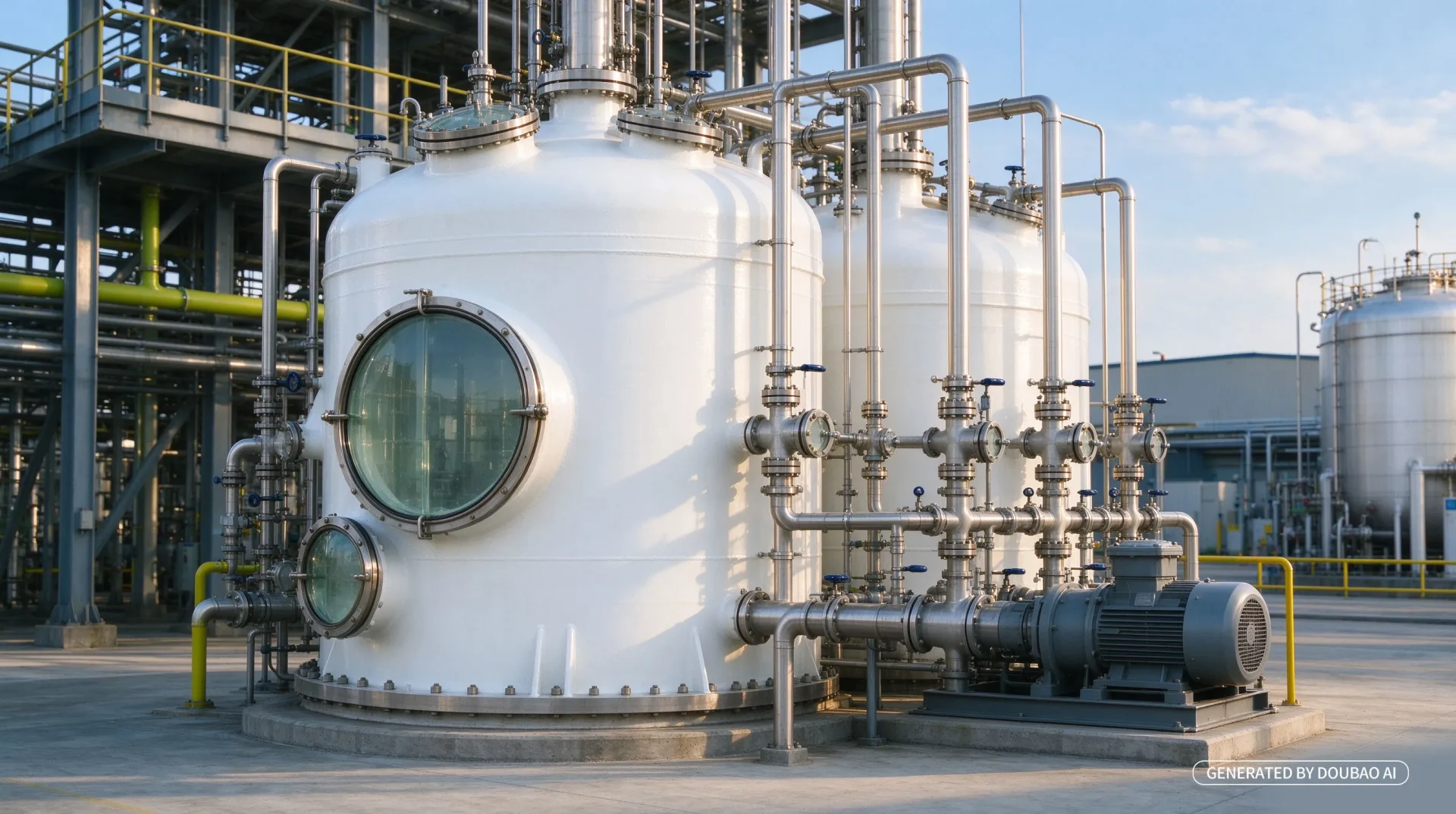
The production principle of chlor-alkali is based on the electrolytic reaction of sodium chloride solution. Under controlled electric field conditions, saturated brine undergoes chemical decomposition inside electrolytic cells, generating chlorine at the anode while producing caustic soda and hydrogen at the cathode. Due to the fixed proportional relationship among the three outputs, chlor-alkali production features strong product linkage, which determines the overall supply structure of the industry. At present, the ion-exchange membrane electrolysis process has become the mainstream standard for global high-quality exports. Compared with older technologies, this modern process delivers lower energy consumption, fewer impurities, stable product purity and superior environmental performance, fully meeting the quality and compliance requirements of international buyers.
Caustic soda is the most widely traded and exported product in the chlor-alkali series, available in liquid and solid forms including liquid caustic soda, solid caustic soda and flake caustic soda. Known for strong alkalinity and high corrosiveness, caustic soda is highly hygroscopic and requires professional packaging and sealed storage during transportation. Industrially, it is extensively used for water treatment pH adjustment, pulp and paper manufacturing, textile desizing and scouring, alumina refining, and detergent production. High-purity grade caustic soda is also widely adopted in fine chemical synthesis, pharmaceutical intermediates and daily chemical manufacturing, supporting diversified industrial production needs across global markets.
Chlorine gas, another key co-product, features strong oxidizing properties and is primarily applied as an upstream raw material for downstream chemical synthesis. It is the core ingredient for producing PVC resin, sodium hypochlorite, disinfectants, refrigerants and various chloride compounds. Most chlorine output is consumed internally within chemical industrial parks to support derivative production, ensuring stable supply for building materials, plastic products and environmental protection industries worldwide. Hydrogen generated from chlor-alkali production is also a high-purity by-product, commonly used for industrial fuel, metal reduction and oil hydrogenation. With the rapid development of global new energy and green hydrogen industries, by-product hydrogen from chlor-alkali plants has gradually gained increasing market attention and application value.
The downstream application scenarios of chlor-alkali raw materials cover almost all industrial manufacturing fields. In the construction and building materials sector, chlorine-based PVC materials are widely used in pipes, profiles, plates and decorative materials, forming a complete industrial supply chain supporting construction and home decoration industries. In environmental protection and water treatment fields, caustic soda is essential for neutralizing acidic wastewater, adjusting water quality indicators and preparing water purification agents. The textile, printing and dyeing, paper-making and daily chemical industries rely heavily on stable chlor-alkali supply to maintain normal production operations. Additionally, chlor-alkali basic materials provide fundamental support for pharmaceutical chemical processing, pesticide production and industrial auxiliary manufacturing.
In recent years, the global chlor-alkali industry has been undergoing continuous green upgrading and structural optimization. Energy consumption and carbon emission levels have become important factors affecting product competitiveness. Manufacturers adopting low-energy ion membrane processes and standardized environmental management systems hold greater advantages in international trade. Affected by raw salt prices, power costs and regional policy adjustments, chlor-alkali product prices maintain regular fluctuation cycles, requiring export enterprises to accurately grasp market trends and provide stable and cost-effective supply for long-term cooperative customers.
Overall, the chlor-alkali industry boasts solid downstream demand and irreplaceable industrial attributes. As the cornerstone of the basic chemical industry, chlor-alkali raw materials will continue to benefit from the development of global manufacturing, urban construction and environmental protection industries. For chemical foreign trade enterprises, standardized quality control, complete compliance certification and stable delivery capacity remain the key to long-term market expansion and sustained customer trust in the global chlor-alkali trade market.