

Water‑Soluble NPK Fertilizer Guide: Types, Formulas & Fertigation Tips
Water-soluble NPK fertilizer is a useful fertilizer for farming. It can fully dissolve in water. Crops can take in its nutrients fast. It works well with drip irrigation, sprinkler irrigation and soilless planting. Farmers can choose different formulas for different crops. The right water-soluble NPK fertilizer helps crops grow better. It increases crop output and saves planting costs. This article teaches you basic knowledge and simple tips for using water-soluble NPK fertilizer.
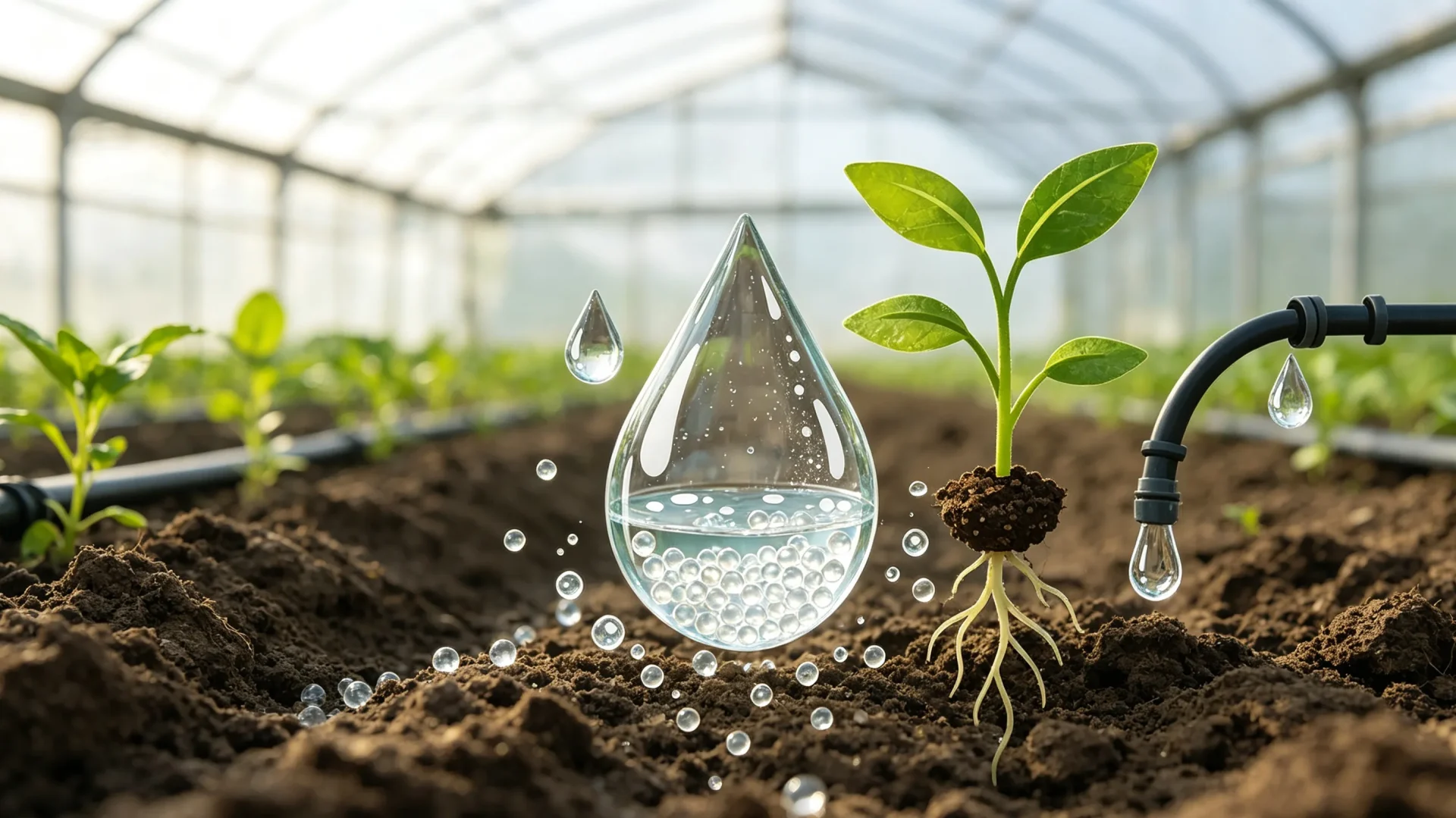
Table of Contents
- What Is Water-Soluble NPK Fertilizer?
- 3 Core Types of Water-Soluble NPK Fertilizer Formulas
- 4 Main Application & Irrigation Scenarios for Water-Soluble NPK Fertilizer
- Precise Matching: Water-Soluble NPK Fertilizer Selection by Crop Stage & Irrigation
- Practical Q&A for Water-Soluble NPK Fertilizer Selection & Use
- Conclusion
What Is Water-Soluble NPK Fertilizer?
Water-soluble NPK fertilizer is a common farm fertilizer. It has three main nutrients: nitrogen, phosphorus and potassium. It dissolves completely in clean water. It has no solid residue and will not block irrigation pipes. Crops can absorb its nutrients easily. Farmers can use it in many ways, such as drip irrigation, sprinkler irrigation and leaf spraying. This fertilizer works fast and creates little waste. People widely use it for grain crops, cash crops and greenhouse planting.
Water-soluble NPK fertilizer has different formulas. Each formula has different nutrient ratios. Different formulas fit different crops and irrigation ways. Choosing the right formula brings better planting results.
Water-Soluble NPK Fertilizer Formula & Irrigation Matching Reference Table
| Formula Type | Common NPK Ratio | Suitable Growth Stage | Matching Irrigation Mode |
| Balanced Formula | 20-20-20, 18-18-18 | Seedling stage, vigorous vegetative growth stage | Drip irrigation, sprinkler irrigation, general field irrigation |
| High-Nitrogen Formula | 30-10-10, 28-12-12 | Seedling recovery, leaf growth stage, early tillering stage | Flood irrigation, wide-range sprinkler irrigation |
| High-Phosphorus Formula | 10-52-10, 15-30-15 | Rooting stage, transplanting recovery stage, flower bud differentiation stage | Drip irrigation, root targeted fertigation |
| High-Potassium Formula | 15-5-30, 12-6-42 | Flowering, fruiting, swelling and ripening stage | Precision drip irrigation, greenhouse fertigation |
3 Core Types of Water-Soluble NPK Fertilizer Formulas
The table below shows four common types of water-soluble NPK fertilizer. It shows their functions, suitable stages and advantages clearly. You can choose the right one easily for your planting.
| Water-Soluble NPK Fertilizer Type | Main Function | Best Growth Stage | Key Advantage |
| Balanced Formula | Supplies even nutrients for overall growth | Seedling & leaf growing stage | Safe and universal for most crops |
| High-Nitrogen Formula | Promotes fast leaf and plant growth | Early seedling recovery stage | Fixes weak and slow-growing seedlings |
| High-Phosphorus Formula | Strengthens roots and grows more buds | Transplanting & budding stage | Improves seedling survival rate |
| High-Potassium Formula | Boosts fruit growth, sweetness and color | Flowering & fruiting stage | Greatly improves crop yield and quality |
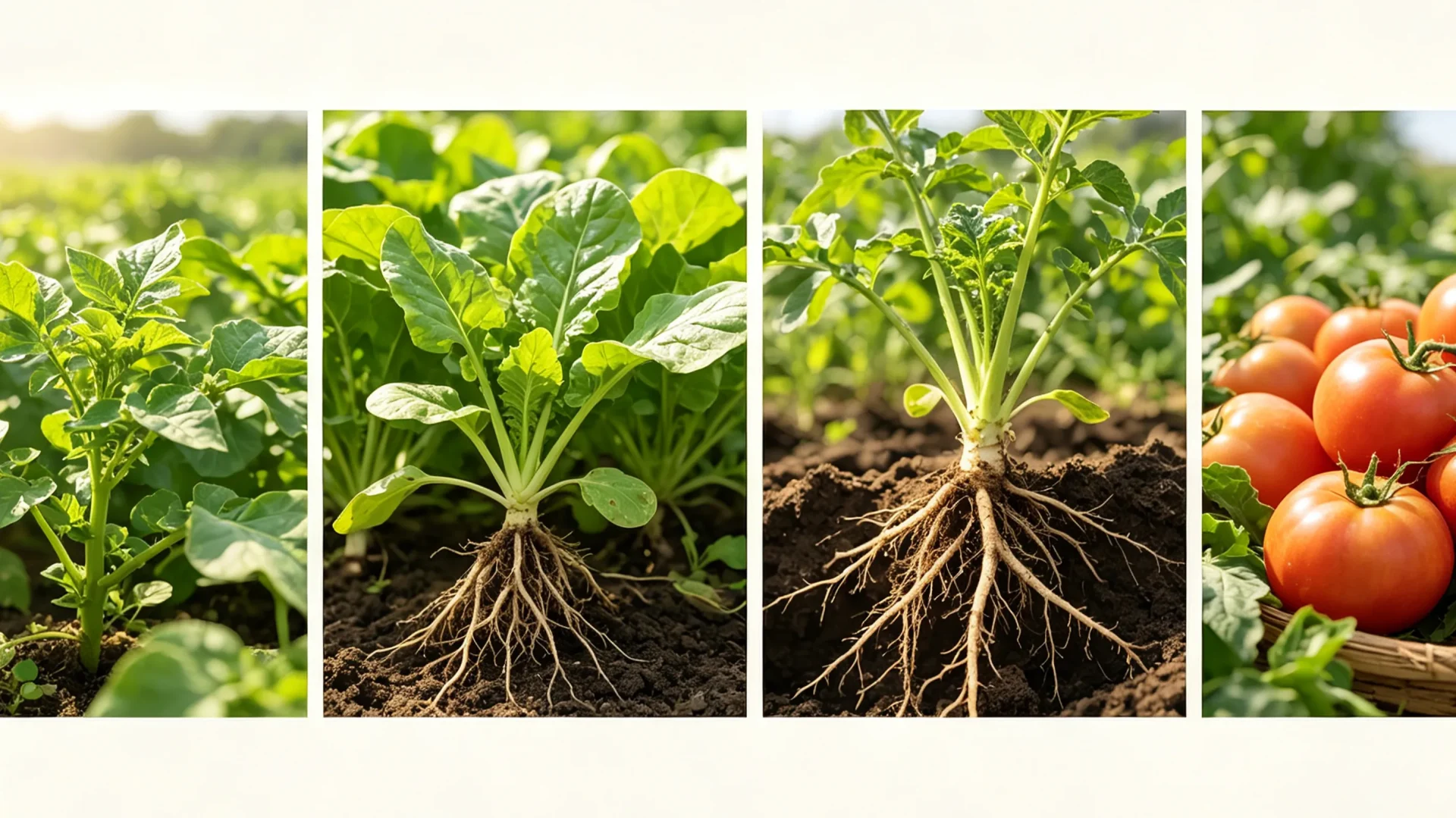
We have three main types of water-soluble NPK fertilizer on the market. They have different nutrients and uses. They cover all growth stages of crops. Each type matches specific crop stages and irrigation methods.
1. Balanced Water-Soluble NPK Fertilizer
Balanced water-soluble NPK fertilizer has similar amounts of nitrogen, phosphorus and potassium. 18-18-18 and 20-20-20 are the most common types. It provides even nutrients for crops. It helps roots, stems and leaves grow steadily. It avoids too many or too few nutrients. It fits most crops at seedling and growing stages. It rarely blocks irrigation pipes. It is the most common water-soluble NPK fertilizer for daily planting.
2. Growth-Focused Water-Soluble NPK Fertilizer (High Nitrogen / High Phosphorus)
High-nitrogen water-soluble NPK fertilizer helps crops grow more leaves. It helps weak seedlings grow fast in the early stage. High-phosphorus water-soluble NPK fertilizer helps crops grow stronger roots. It helps transplanted seedlings recover quickly. It also helps crops grow more flower buds. These two fertilizers only work for certain growth stages. Do not use them for the whole crop growth cycle.
3. Yield-Boosting Water-Soluble NPK Fertilizer (High Potassium)
High-potassium water-soluble NPK fertilizer takes potassium as the main nutrient. It has small amounts of nitrogen and phosphorus. It makes fruits bigger and sweeter. It also improves fruit color. It helps crops resist bad weather and diseases. Farmers use this fertilizer mainly in flowering and fruiting stages. It works well with precise drip irrigation for fruits and vegetables.
4 Main Application & Irrigation Scenarios for Water-Soluble NPK Fertilizer
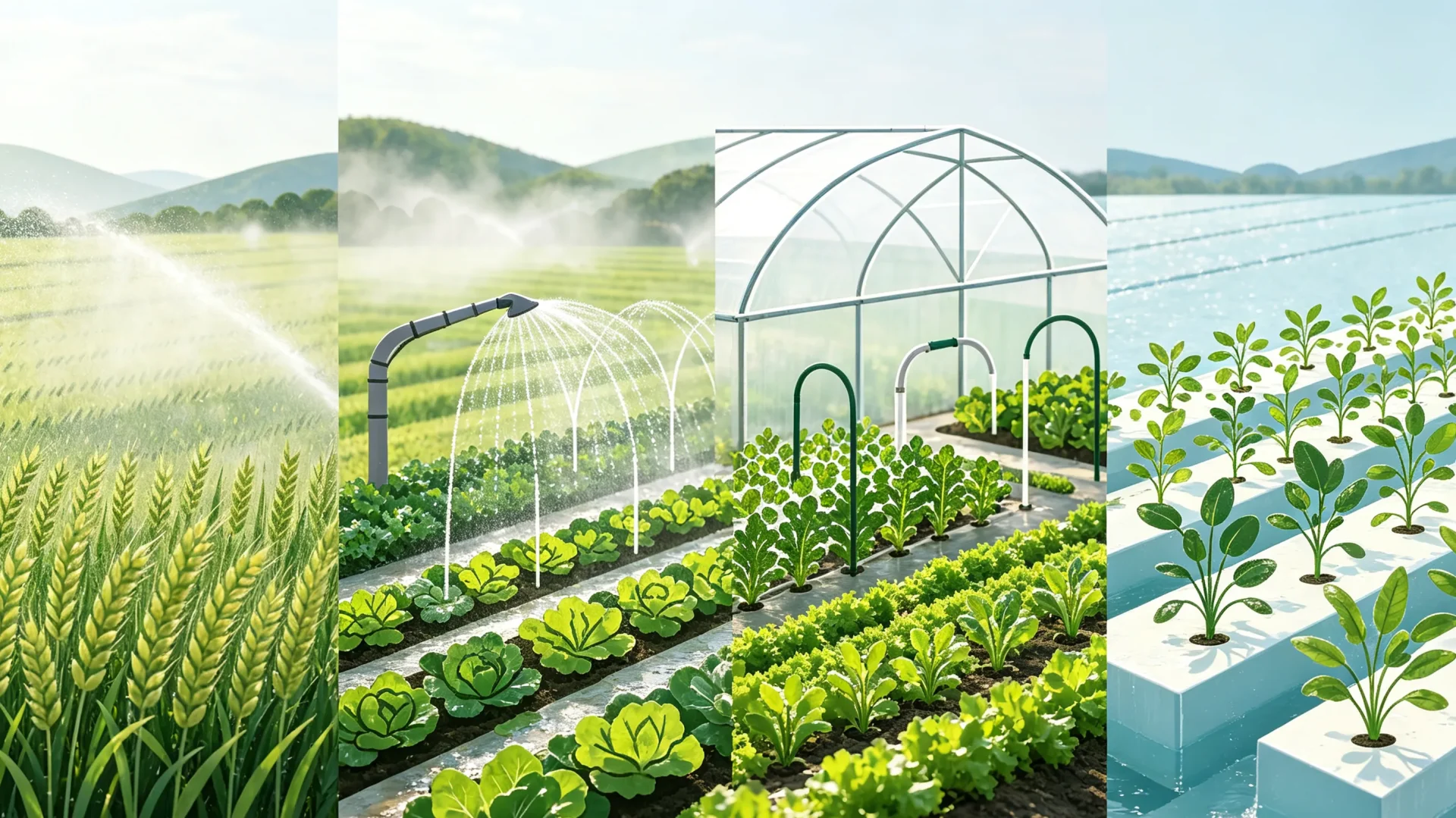
Water-soluble NPK fertilizer fits most modern planting and irrigation ways. We can divide its use into four main scenarios. Different planting scenes match different fertilizer formulas. Each scenario has simple and clear use rules.
1. Field Grain Crops & Large-Area Irrigation (Water-Soluble NPK Fertilizer)
Water-soluble NPK fertilizer fits grain crops such as rice, corn and wheat. It matches large-area sprinkler irrigation and flood irrigation. Farmers use balanced or high-nitrogen formulas when crops grow leaves and stems. They use high-potassium formulas when grains ripen. This fertilizer dissolves fast and spreads evenly in fields. It saves labor and fits large-scale farm planting.
2. Greenhouse Fruits & Vegetables & Precision Drip Irrigation (Water-Soluble NPK Fertilizer)
Greenhouse vegetables and fruits need stable nutrients. Farmers use drip irrigation and micro-spray irrigation with water-soluble NPK fertilizer. They change formulas for different stages. They use balanced fertilizer for seedlings. They use high-phosphorus fertilizer for transplanting. They use high-potassium fertilizer for fruiting. This method improves fertilizer use and protects crops and soil.
3. Cash Crop Planting & Regular Fertigation (Water-Soluble NPK Fertilizer)
Cash crops like cotton and tea need special nutrients. Farmers can choose suitable water-soluble NPK fertilizer. They use it with regular irrigation. It provides stable nutrients and improves crop quality. The pure fertilizer will not leave dirt on crops or soil.
4. Soilless & Hydroponic Planting (Water-Soluble NPK Fertilizer)
Soilless planting and hydroponic planting need high-purity fertilizer. Only qualified water-soluble NPK fertilizer can meet this need. It mixes well with planting water. It has no sediment and will not block pipes. It provides stable nutrients and helps soilless crops grow well.
Precise Matching: Water-Soluble NPK Fertilizer Selection by Crop Stage & Irrigation Mode
1. Seedling & Rooting Stage: Water-Soluble NPK Fertilizer Matching
Recommended formula: High-phosphorus formulas (10-52-10, 15-30-15)
Irrigation matching: Drip irrigation root targeted fertigation
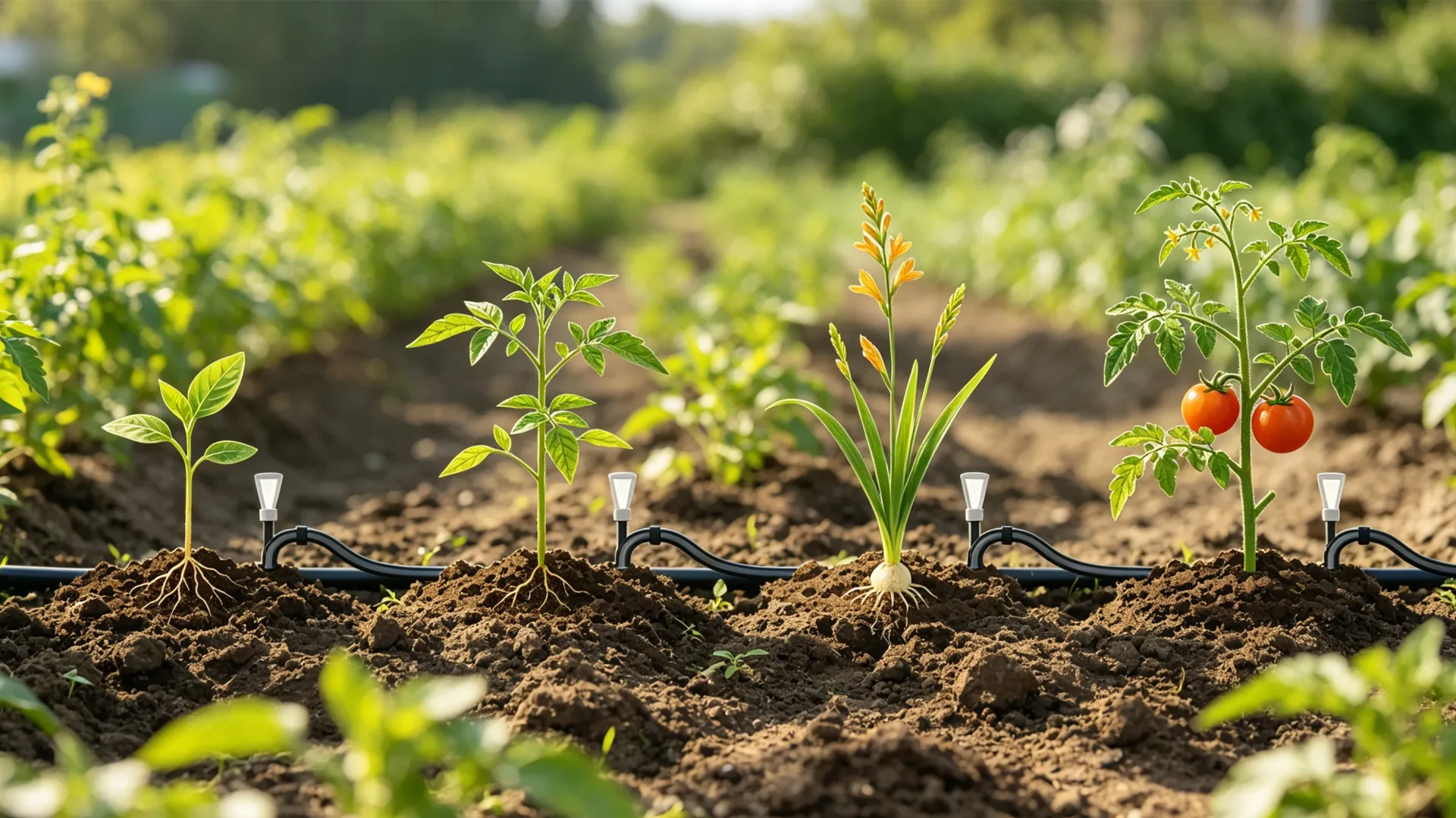
Young seedlings have weak roots. They do not need much nutrition. High-phosphorus water-soluble NPK fertilizer strengthens seedling roots. It helps more seedlings survive. It also helps transplanted seedlings recover fast. Drip irrigation sends nutrients directly to crop roots. It reduces waste and protects young seedlings.
2. Vegetative Growth Stage: Water-Soluble NPK Fertilizer Matching
Recommended formula: Balanced formulas (18-18-18, 20-20-20) + appropriate high-nitrogen formulas
Irrigation matching: Sprinkler irrigation, conventional drip irrigation
Crops grow fast in stems and leaves at this stage. They need balanced nitrogen, phosphorus and potassium. Balanced water-soluble NPK fertilizer works best here. A little high-nitrogen fertilizer can make plants stronger. Good leaf and stem growth prepares crops for future flowering and fruiting. It fits most common irrigation ways.
3. Flowering & Bud Stage: Water-Soluble NPK Fertilizer Matching
Recommended formula: Low-nitrogen, high-phosphorus and medium-potassium formula
Irrigation matching: Interval drip irrigation, micro-spray irrigation
Too much nitrogen makes crops grow too many leaves. This will cause flower dropping. Proper phosphorus and potassium help crops grow more flower buds. They improve flower quality and protect young fruits.
4. Fruiting & Ripening Stage: Water-Soluble NPK Fertilizer Matching
Recommended formula: High-potassium formulas (15-5-30, 12-6-42)
Irrigation matching: High-frequency low-dose precision drip irrigation
This stage decides crop yield and quality. High-potassium water-soluble NPK fertilizer makes fruits bigger and sweeter. It improves fruit color and helps crops resist bad weather and diseases. Small and frequent drip irrigation keeps steady nutrients for continuous fruit growth.
Practical Q&A for Water-Soluble NPK Fertilizer Selection & Irrigation Use
Many new farmers have questions about water-soluble NPK fertilizer. The simple Q&A below answers common questions. It helps you use this fertilizer correctly.
Q1: Is balanced NPK water-soluble fertilizer suitable for the whole growth cycle of crops?
A1: No. Balanced water-soluble NPK fertilizer only works for seedling and leaf-growing stages. It cannot support flowering and fruiting. Crops will lack potassium. Fruits will grow slowly and look pale. Farmers must use high-potassium water-soluble NPK fertilizer in the late growth stage.
Q2: What problems will occur if high-nitrogen fertilizer is used continuously in the fruiting stage?
A2: It will cause many problems. Too much nitrogen makes leaves grow too fast. Leaves will take nutrients from fruits. This causes flowers and fruits to drop. Fruits will ripen late with pale color and low sugar. The final crop yield and quality will drop greatly.
Q3: How to avoid irrigation pipeline blockage when using water-soluble NPK fertilizer?
A3: First, choose high-purity water-soluble NPK fertilizer with no solid residue. Second, dissolve the fertilizer fully in clean water before use. Third, clean irrigation pipes regularly. This stops fertilizer crystals from blocking pipes and drip heads.
Q4: What is the difference between water-soluble NPK fertilizer and traditional granular compound fertilizer in irrigation application?
A4: Water-soluble NPK fertilizer dissolves fast. Crops absorb it easily. It fits precise irrigation and daily fertilization. Traditional granular fertilizer dissolves slowly. It has low use rate and leaves residue. It only works for basic soil fertilization, not for pipeline irrigation.
Conclusion
It is very important to choose the right water-soluble NPK fertilizer. Different fertilizer types fit different crop growth stages. Farmers can pick balanced, high-nitrogen, high-phosphorus or high-potassium water-soluble NPK fertilizer. They can match it with correct irrigation methods. Good fertilizer use helps crops grow healthily. It reduces waste, saves money and protects soil.