

EVA Material Guide: Ethylene Vinyl Acetate Properties, Uses, and Selection
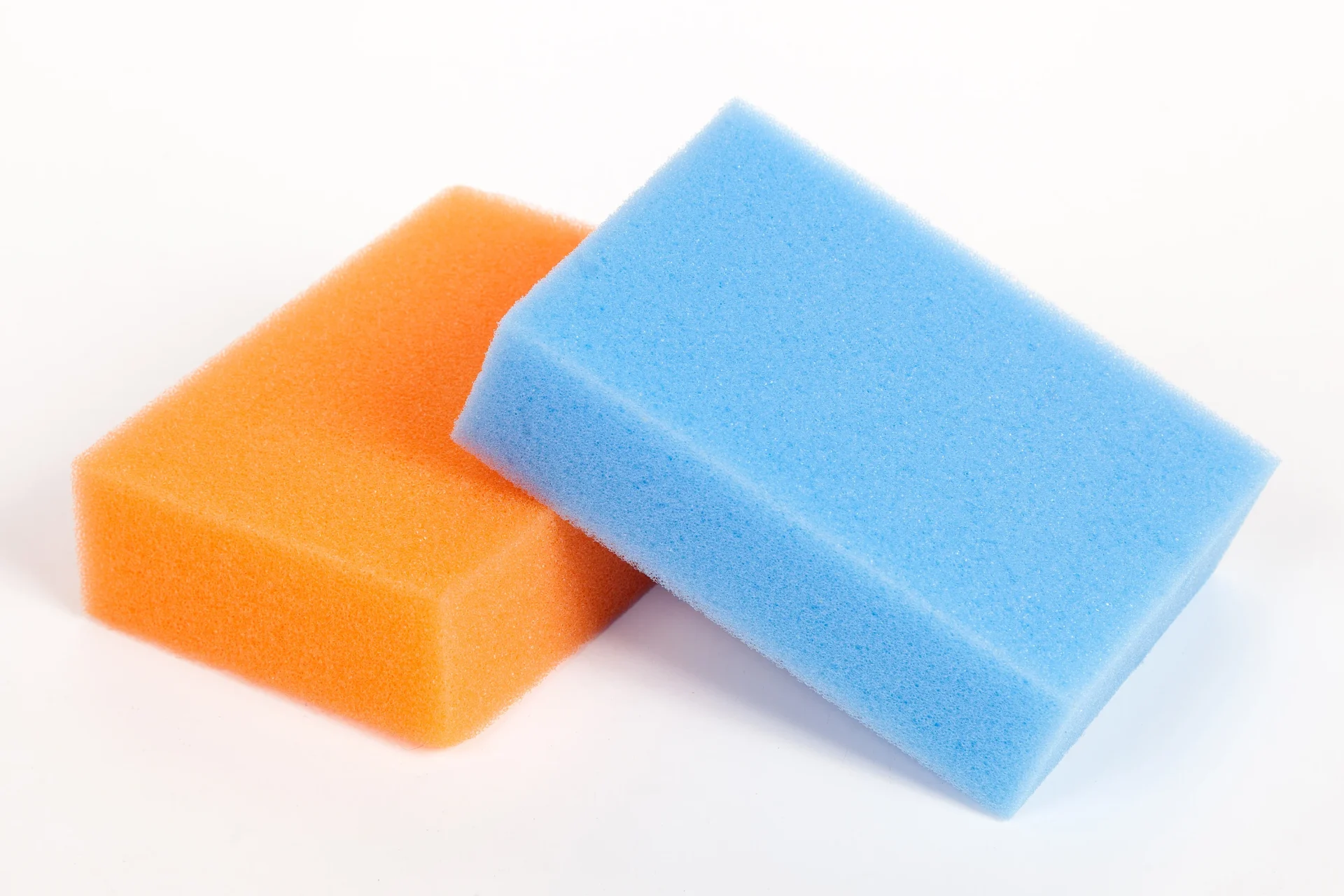
EVA, short for Ethylene Vinyl Acetate, is a soft, safe plastic material used widely in daily life. It has a lightweight foam structure and many clear advantages over hard plastics, regular rubber and common foam materials. EVA is affordable and flexible. It works for daily goods, sports products, children’s items and industrial protection. This guide explains its basic definition, physical features, common uses, material comparisons and simple selection tips to help buyers and users make better choices.
What Is EVA (Ethylene Vinyl Acetate)?
EVA is a light synthetic plastic. Factories make it by combining ethylene and vinyl acetate (VA). The percentage of VA decides how hard, soft and flexible the final material is. Makers adjust VA levels for different needs. Higher VA creates softer, stretchier and slightly sticky EVA. Lower VA creates harder, tougher and longer-lasting EVA for industrial use.
High-quality EVA is different from stiff PVC or cheap recycled rubber. It has no strong chemical smell. It does not contain harmful plasticizers or heavy metals found in low-grade plastics.This makes it safe for skin contact and children’s products, and it meets common global safety rules for daily goods.
Key Basic Properties of EVA
- Soft & flexible: EVA bends, folds and twists easily. It does not crack or stay deformed. It quickly returns to its original shape after pressure is released. This steady elasticity makes it ideal for shoe soles, workout mats and soft protective foam.
- Water & moisture proof: EVA has a tight closed-cell structure. It does not soak up water, sweat or humid air. It stays dry and light even in damp environments and works well for long-term daily use.
- Great shock absorption: EVA foam softens outside impact and pressure. It protects human bodies and fragile items from sudden force. Sports protective gear, fitness tools and shipping buffer pads all rely on this useful feature.
- Stable in cold weather: Many cheap plastics turn hard and brittle in cold weather. EVA keeps its softness and toughness at low temperatures. It stays usable outdoors and in cold storage conditions.
- Easy to process: EVA is simple to cut, press, glue, print and punch. It supports custom sizes, special shapes and printed logos. It fits both large-batch production and personalized orders.
Comparison Chart: EVA VS PVC VS PE Foam
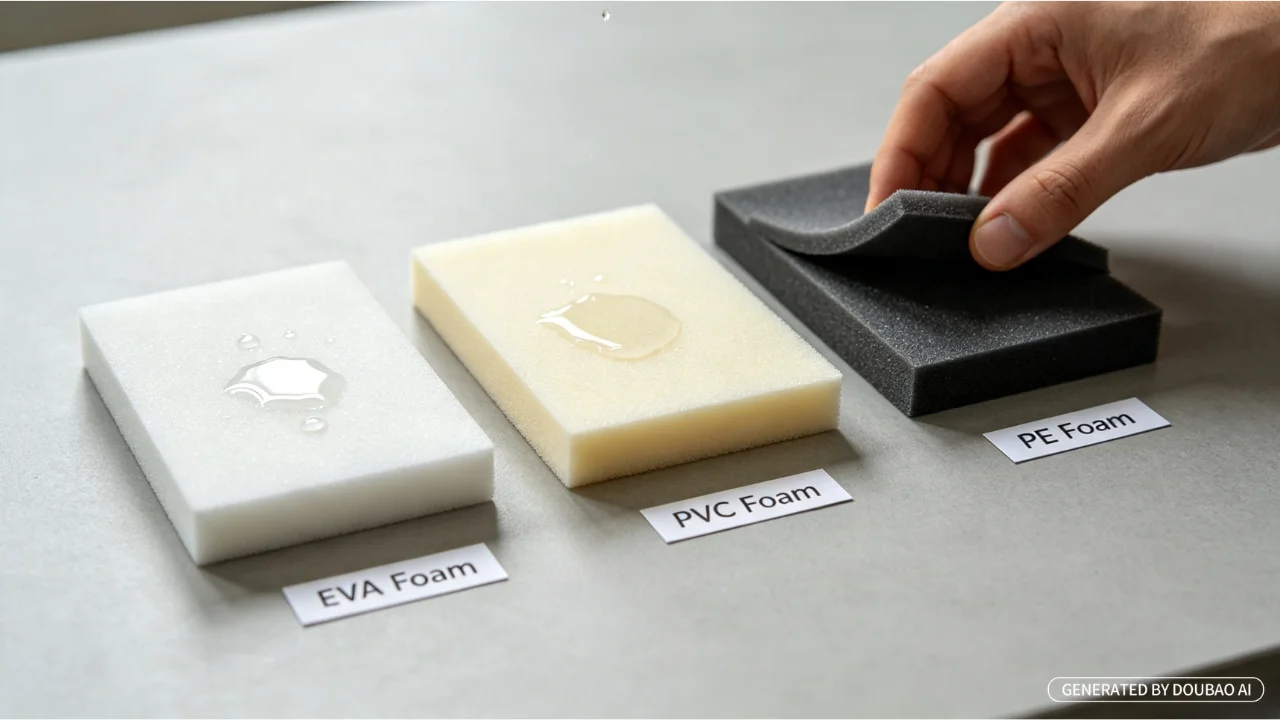
EVA, PVC foam and PE foam look very similar. Many new buyers struggle to tell them apart. The table below shows clear differences in softness, safety, durability and practical performance. It helps you choose the right foam for your project.
| Feature | EVA Foam | PVC Foam | PE Foam |
| Softness | Moderate to very soft | Hard, stiff | Extra light but less elastic |
| Shock Absorption | Excellent | Poor | Average |
| Safety for kids/skin | Non-toxic, safe | May contain plasticizers | Safe but easy to tear |
| Cold resistance | Good | Poor, cracks easily | Medium |
| Surface printing effect | Clear, long-lasting print | Fades fast | Hard to print clearly |
| Typical price level | Mid-range | Low | Lowest |
Common Uses of EVA Material
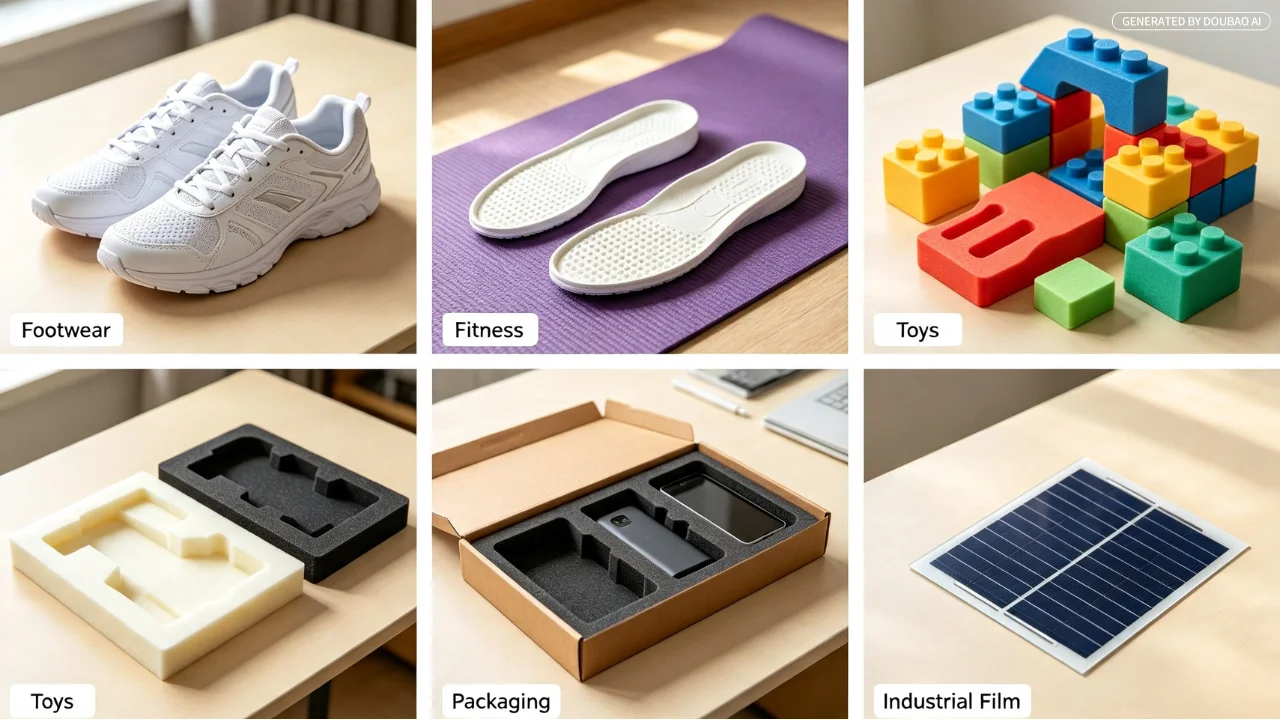
Thanks to its safe, lightweight, flexible and shock-absorbing features, EVA foam serves a huge range of applications. It covers daily consumer goods, sports fitness products, children’s supplies and industrial protective materials. Different EVA formulas fit different usage scenarios, which explains why this material is so popular in both civilian and industrial fields.
Footwear (Most Popular Use)
EVA foam is the core material for shoe midsoles. It is the most common choice for modern shoes, including running shoes, casual sneakers, training shoes and home slippers. Compared with traditional rubber soles, EVA is much lighter and bouncier. It reduces foot pressure during walking or running, eases tiredness and improves overall comfort.
Sports & Fitness Goods
Most home and gym fitness products use high-quality EVA. Typical items include yoga mats, foam blocks, knee pads, elbow pads and massage rollers. EVA has a smooth, non-slip and soft surface. It lowers joint pressure and skin friction during exercise, making daily workouts safer and more comfortable.
Kids’ Toys & Daily Supplies
Children’s toys and daily products require high safety standards. For this reason, most baby bath toys, foam building blocks, craft sheets and early education puzzle pieces use food-grade EVA. EVA has no sharp edges. It will not scratch children’s skin. Qualified EVA also passes strict safety tests for infant use.
Packaging & Protective Padding
EVA foam is widely used as protective packaging for high-end and fragile goods. Factories cut EVA into custom inner liners and buffer pads for electronics, cosmetics, glass items and handcrafts. The foam fills empty space inside packages. It reduces shaking, squeezing and impact during shipping to prevent scratches and breakage.
Industrial & Functional Films
Low-VA EVA films have stable physical and chemical features. They often serve as waterproof and sealing layers for solar panels. They also work as raw materials for eco-friendly hot melt glue. Thin EVA sheets can be made into window waterproof strips and simple protective tapes for home and industrial use.
How to Choose the Right EVA for Your Needs
EVA materials come in many different formulas, densities and safety grades. Different types deliver totally different softness, durability and protective effects. Choosing the wrong EVA will lead to poor performance, quick aging or unnecessary cost waste. To help you pick the most suitable material, here are simple and practical selection rules based on VA content, safety level and density.
Step 1: Pick VA Content Based on Purpose
- Low VA (5%-10%): Hard, waterproof and wear-resistant. It keeps its shape well under long pressure. It suits hard packaging boards, solar films and durable tool liners.
- Medium VA (12%-18%): Balances softness, elasticity and toughness. It is the most practical type for daily use. It fits yoga mats, slipper soles, craft foam and common fitness accessories.
- High VA (20%-28%): Very soft, elastic and slightly sticky. It absorbs impact extremely well. It works best for running shoe midsoles, high-grade shockproof foam and hot melt glue materials.
Step 2: Confirm Safety Grade
- Direct skin/kid contact items: Choose food-grade or skin-safe EVA for products touching skin or children. This grade has no toxic additives and meets standard safety rules for long-term contact.
- Industrial packaging, outdoor hardware: Standard non-toxic EVA is enough for industrial protection and logistics. It balances stable performance and low cost for large orders.
Step 3: Select Suitable Density
- High-density EVA: Firm and supportive. It resists compression and deformation. It is ideal for durable shoe soles and heavy-duty protective padding.
- Low-density EVA: Lightweight and extra soft. It provides gentle buffer support. It suits disposable packaging foam and light children’s toys.
Step 4: Avoid Low-Quality EVA
The market contains many low-quality EVA products. Poor EVA often has a strong chemical smell. It turns yellow in sunlight and ages quickly. After repeated bending and squeezing, it cracks and loses elasticity. Always test samples and check safety reports before bulk orders to avoid defective goods and losses.
FAQs
1. Is EVA material completely waterproof?
EVA is highly water-resistant, but not fully waterproof. Its tight foam structure does not absorb water in daily use. It stays dry in rainy and humid conditions. However, it cannot stand long high water pressure or deep soaking. It works perfectly for shoes, mats and daily protective items. Add extra waterproof coating if you need full sealing for professional underwater equipment.
2. Can EVA foam be recycled?
Pure EVA foam is recyclable. It is a thermoplastic material. It can melt and reshape without losing its basic properties. Factories can reuse clean waste EVA to make new foam products. This process is eco-friendly. Still, EVA mixed with glue, fabric or other plastics cannot be recycled easily.
3. Does EVA release harmful substances when heated?
Pure food-grade EVA does not release harmful gas under normal heating. It stays safe and stable in daily use. Low-cost mixed EVA may contain unqualified additives. These cheap products can create bad smells and harmful substances at high heat. Do not heat low-grade EVA in closed rooms.
4. How long can EVA products last?
EVA service life depends on density and VA content. High-density EVA with medium VA lasts 2 to 4 years. It resists aging and pressure well, so it works for yoga mats and shoe soles. Low-density EVA for simple packaging and light toys deforms easily under heavy pressure. It only lasts several months.
5. Is EVA safe for babies to chew on?
Only pure food-grade EVA is safe for baby chewing and teething products. It has no heavy metals or harmful plasticizers and meets infant safety standards. Regular industrial EVA is made for packaging and protection. It is not safe for oral contact and should never be used for baby teething toys.
Final Thoughts
EVA is a practical and cost-effective foam material for modern manufacturing. Its flexibility, shock resistance, water resistance and safety support wide use in daily consumer goods and industrial fields. No single EVA type fits all scenarios. Simply match the right VA ratio, density and safety grade to your actual needs. This easy method helps you improve product performance and save procurement costs.