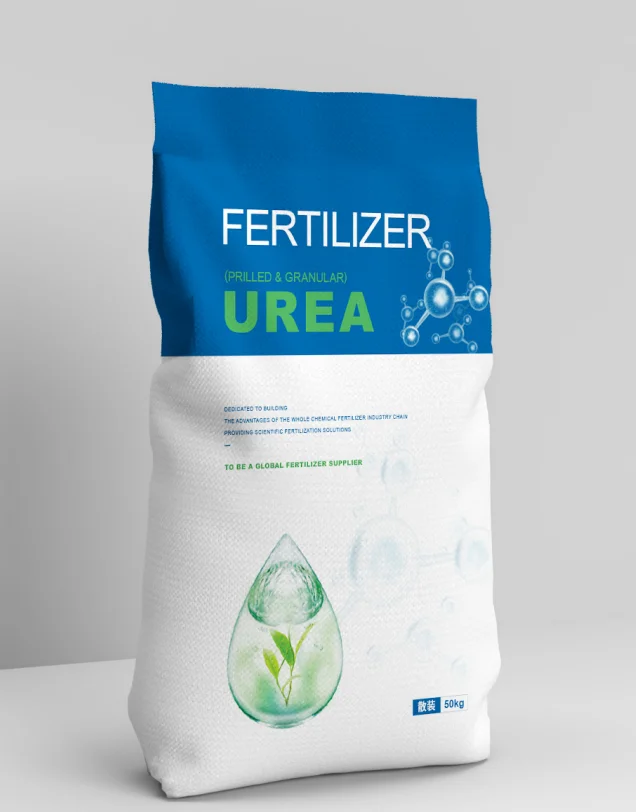
Urea Fertilizer: Uses, Benefits, Grades, and Buying Considerations
Modern farming needs stable and efficient fertilizer supplies. Urea is one of the most popular fertilizers around the world. It is the main nitrogen source for crop growth and helps farmers raise crop output and quality. Compared with other fertilizers, urea has a simple formula, stable quality and flexible use methods. It works well with most soil types and crops.
Many farmers and buyers do not fully understand urea’s different grades, advantages and buying tips. Picking the wrong urea products may lead to poor nutrient absorption, cost waste and unsatisfactory planting results. This article covers urea’s basic features, common uses, standard grades, practical benefits and key buying points for daily farming and bulk purchase.
What Is Urea Fertilizer?
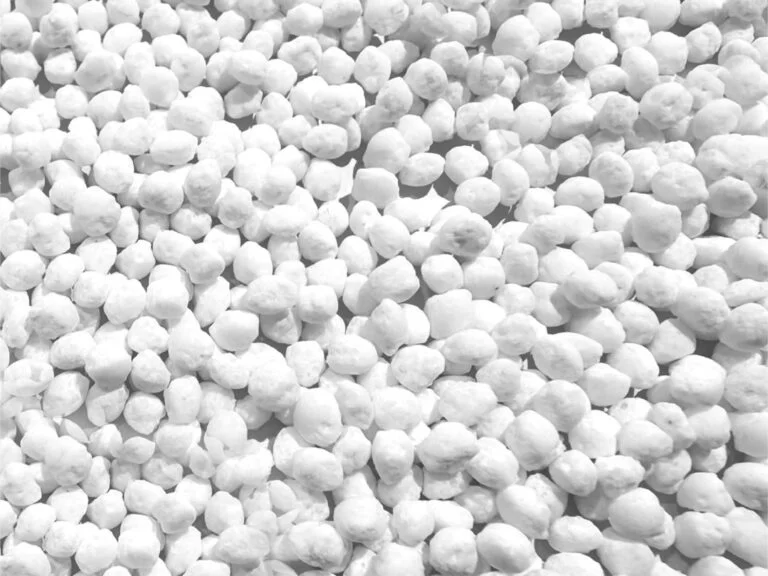
Urea is a man-made organic nitrogen fertilizer. It has the highest nitrogen ratio among common solid nitrogen fertilizers for farming. Standard agricultural urea contains 46% nitrogen (Source: International Fertilizer Industry Association, IFA). This high nitrogen content can fully feed growing crops with less fertilizer input.Urea looks like small white or off-white grains. It dissolves quickly in water and is easy for soil and crops to absorb. After being applied to soil, urea slowly breaks down and releases nitrogen. It supports steady crop growth and avoids quick nutrient loss. When used properly, urea will not damage soil structure.
Core Benefits of Urea Fertilizer
Urea has been widely used in global farming for many years. It fits large-scale farms, greenhouse planting and regular field crop management. Its main benefits are listed below.
First, urea has high nutrient efficiency. With 46% nitrogen content, it provides more valid nutrients than traditional fertilizers like ammonium sulfate. It reduces total fertilizer use and cuts farming costs.
Second, urea dissolves and absorbs easily. It works well for base fertilization, topdressing and leaf spraying. Crops can take in stable nitrogen during key growth stages, such as seedling growth, leaf development and fruit expansion.
Third, urea is gentle on soil. It leaves almost no acidic or alkaline residue. Long-term and standard use keeps soil active and creates a stable environment for continuous crop planting.
Finally, urea has strong compatibility. It can be used alone or mixed with most phosphate and potassium fertilizers. It also works with common crop protection products, offering flexible fertilization plans for different growth cycles.
Common Urea Grades and Specifications
Urea is divided into different grades based on purity, grain size and impurity content. Different grades suit agricultural planting and industrial production needs.
Agricultural Grade Urea is the main type for farming. It contains at least 46% nitrogen with low biuret and moisture content, which prevents crop damage. It fits grain crops, vegetables, fruits and cash crops, and meets daily nutrient needs for most farmland.
Industrial Grade Urea has higher purity and fewer impurities. It is not for farm use. It serves industrial fields such as resin production, textile processing, chemical synthesis and flue gas treatment. Its stable quality meets strict industrial production standards.Prilled urea and granular urea are two common types. Prilled urea has round and even grains with good fluidity, ideal for mechanical spreading. Granular urea has a firm texture for long-distance transport and long-term storage. Fine urea grains dissolve faster, perfect for emergency topdressing during critical crop growth periods.

Main Applications of Urea Fertilizer
Urea is widely used in almost all farming scenarios and many industrial fields.
In agriculture, urea boosts crop vegetative growth. It helps crops grow strong stems and thick leaves, improve photosynthesis and raise output. It is widely used for rice, wheat, corn, cotton, vegetables, fruit trees and other cash crops. Farmers can apply it as base fertilizer before sowing or topdressing during growth.
In industry, industrial urea acts as a key chemical raw material. It is used to make plastics, adhesives and chemical additives. It also supports exhaust gas treatment for environmental protection equipment. Its stable chemical features ensure steady performance in industrial processing.
Key Buying Considerations for Urea Fertilizer
If you plan to buy urea in bulk or for long-term planting use, you need to consider several key factors to match your actual needs.
First, check product grade and key indexes. Farm planting needs standard agricultural urea with 46% nitrogen and low biuret content. Industrial urea is not suitable for farming and will not bring good planting results.
Second, check grain uniformity and dryness. Qualified urea grains are even and dry, and do not clump easily. Damp or caked urea has unstable nutrients and leads to uneven fertilization.
Third, match products with your usage scenarios and seasons. Fine fast-dissolving grains fit emergency topdressing in wet and rainy weather. Even prilled grains work better for mechanical fertilization on dry farmland and large-scale planting.
Fourth, pay attention to transport and storage conditions. Urea easily absorbs moisture from the air. Bulk orders need standard packaging and sealed storage to keep stable quality during the whole supply process.
FAQs
Is urea fertilizer suitable for all crops?
Urea works for most field crops, vegetables and fruit trees. It mainly provides nitrogen for vegetative growth. For crops that focus on flowering and fruiting, you need to use urea with phosphate and potassium fertilizers to balance nutrition.
What is the difference between agricultural and industrial urea?
Agricultural urea focuses on low biuret content and safe use for crops. Industrial urea focuses on high purity for chemical production. The two have different use cases and cannot replace each other.
How to store urea fertilizer correctly?
Store urea in dry, ventilated and sealed places. Avoid long-term exposure to humid air and heavy pressure to prevent caking and nutrient loss.
Can urea fertilizer be mixed with all other fertilizers?
Urea has great mixing compatibility with most common fertilizers, but it cannot be blended with alkaline fertilizers. Mixing urea with lime, plant ash or other alkaline products will cause nitrogen volatilization. This problem leads to nutrient loss and reduces fertilization effects. It is best to apply them separately with a certain time interval.
Does urea fertilizer expire or lose potency over time?
Qualified urea does not have a strict expiration date. Its chemical properties are stable under dry and sealed storage conditions. However, long-term storage in humid environments will make urea absorb moisture and clump. Severe caking will affect even spreading and reduce the actual utilization rate of nitrogen nutrients.
Final Thoughts
Urea is a vital and cost-effective nitrogen fertilizer for modern farming. It has high nitrogen content, fast solubility, wide compatibility and mild effects on soil, so it fits most planting scenarios. Learning about urea’s grades, benefits and buying tips helps users pick suitable products, boost fertilization efficiency and control planting costs.With proper selection and scientific use, urea can steadily supply nutrients for crops and bring stable yield gains to farm production. As a trusted supplier in the chemical and fertilizer industry, SUMEC Chemical offers reliable urea products for global agricultural and industrial projects, meeting demands for standardized large-scale procurement. You can explore full product specifications and supply details via the official page: https://sumecchemical.com/product/fertilizers/