

Polypropylene vs Polyethylene: Key Differences for Industrial Buyers
If you own a factory or buy lots of plastic pellets, choosing PP or PE will change your production cost, product quality and export clearance. PP and PE are the two most common plastic pellets used in factories all over the world, but they have different physical features, use cases and safety rules.
Lots of purchasing teams meet the same problems. If you pick the wrong plastic, your products may crack, melt under heat, fail customs checks or create extra waste. This guide collects all key info for bulk buyers. It talks about material basics, performance differences, common plastic grades, factory uses, global safety standards and how to store and ship pellets. With simple explanations and useful tips, you can easily compare PP and PE and find the cheapest suitable raw material for your factory.
Table of Contents
- What Is Polypropylene (PP)?
- What Is Polyethylene (PE)?
- Key Structural & Performance Differences Between PP and PE
- Common Industrial Grades of PP and PE
- Typical Industrial Applications for PP vs PE
- Global Material Compliance & Quality Standards
- Safe Storage & Transportation Guidelines for PP/PE Pellets
- FAQ
- Conclusion
What Is Polypropylene (PP)?
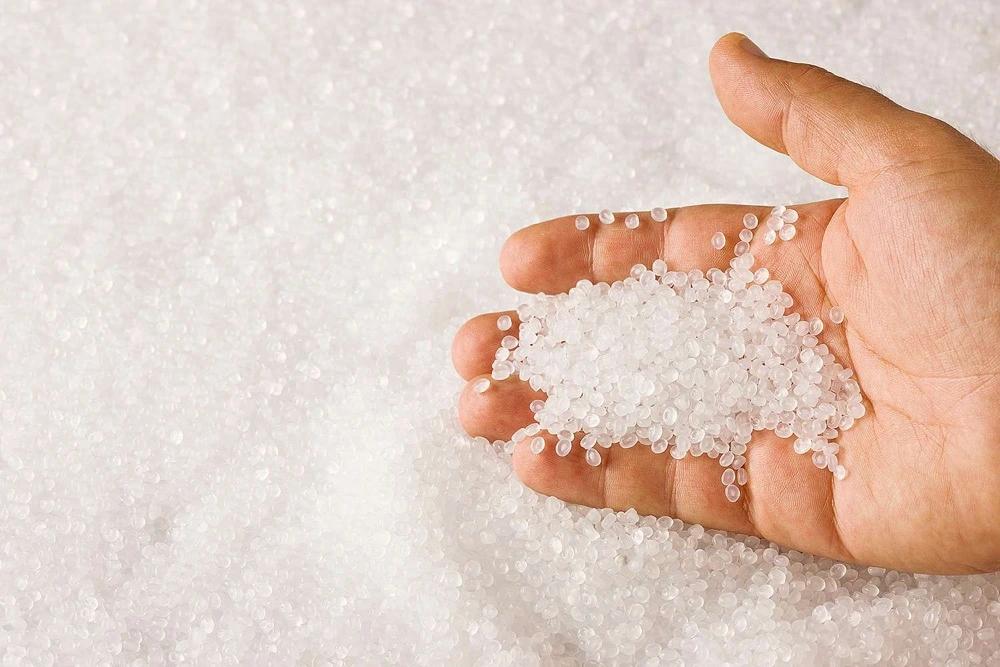
Polypropylene, or PP, is a hard-wearing plastic made from oil-based raw materials. The trusted magazine Journal of Applied Polymer Science states PP is the world’s second most common plastic. Bulk buyers pick PP because it is lightweight, stiff, and handles heat far better than polyethylene. Its melting point hits 160-165°C. This lets PP survive hot-steam cleaning for food and medical items. PP has great chemical resistance, so most acids and factory cleaners will not damage it. It also has good fatigue resistance, so parts will not crack after lots of bending.
There are two main types of PP for factory use. Homopolymer PP is stiff and works best for hot-use products. Copolymer PP adds ethylene, so it stays tough in cold conditions. PP pellets fit three popular factory-making methods: injection molding, extrusion and blow molding. Old PP can be melted down and recycled to make new products.
Factory buyers order large amounts of PP pellets for many everyday industrial goods. Common finished items include car interior parts, disposable medical tools, heat-safe food boxes, and plastic chemical storage tanks.
Source:SUMEC Chemical Gallery
What Is Polyethylene (PE)?
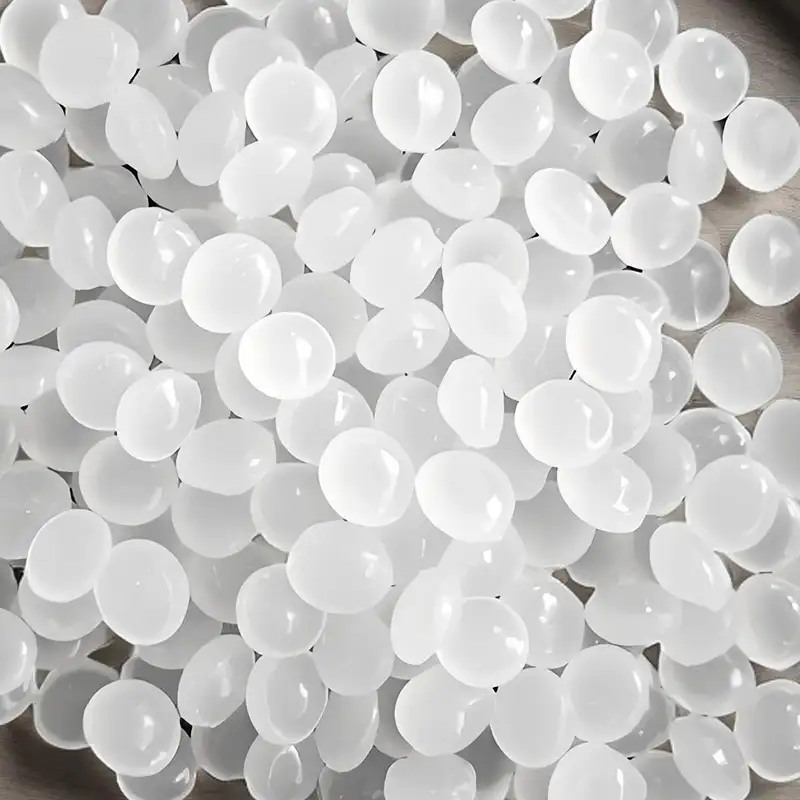
Polyethylene, or PE, is a soft, light plastic made from oil-based raw materials. It is the most widely-used plastic across the globe. Factory buyers choose PE because it is very lightweight and offers excellent water-blocking performance. However, PE cannot handle high heat the way PP does. Its melting point ranges from 105°C-135°C, meaning it softens quickly under hot conditions. PE features strong moisture resistance, keeping water and wet air from passing through. It bends freely and will not crack, even in cold weather.
Factories make three popular PE types for industry work. LDPE is soft, ideal for thin plastic films. HDPE is firm, used for bottles and storage tanks. LLDPE delivers high strength for stretch wrap. PE pellets work with three standard manufacturing techniques: injection molding, extrusion and blow molding. PE can melt down and be recycled into brand new goods.
Bulk buyers purchase large PE pellet volumes for many factory-made items. Popular finished goods include plastic bags, water pipes, drink bottles, wire insulation covers, and liquid-holding storage containers.
Source:SUMEC Chemical Gallery
Key Structural & Performance Differences Between PP and PE
If you purchase plastic raw materials for factory production, picking between PP and PE directly affects your finished product quality and production costs. Many practical comparison data from the trusted industry publication Journal of Applied Polymer Science can help B-side buyers make fast, accurate material selections. The table below sorts out their core structural and performance gaps that matter most to manufacturing and bulk procurement:
| Comparison Item | Polypropylene (PP) | Polyethylene (PE) |
| Melting Point & Heat Tolerance | 160–165°C, can bear high-temperature steam cleaning and hot forming; suitable for heat-resistant production lines | 105–135°C, turns soft and deforms under continuous high heat; cannot support high-temperature sterilization processes |
| Texture & Rigidity | Stiff and firm, low shrinkage after molding; keeps fixed product shapes stably | Soft and flexible, lighter than PP; easy to bend but lacks structural hardness |
| Low-Temperature Durability | Prone to crack under extreme cold; not fit for outdoor winter-use products | Remains flexible without cracking in cold environments; ideal for cold-region packaging and pipes |
| Chemical Barrier Ability | Resists most industrial acids, alkalis and chemical solvents well | Excellent waterproof and moisture-proof effect, but weak against strong chemical solvents |
| Fatigue & Repeated Bending | Good fatigue resistance; stays intact after thousands of repeated folds | Super flexible, can fold repeatedly but cannot support load-bearing structures |
| Bulk Production Matching Processes | Fits injection molding, extrusion, blow molding for rigid industrial parts | Fits extrusion film, blow molding bottles and soft injection molding accessories |
| Main Bulk Procurement Scenarios | Auto structural parts, heat-safe food containers, disposable medical supplies, chemical storage tanks | Plastic wrapping films, drinking bottles, water delivery pipes, wire insulation, lightweight packaging bags |
For B-side purchasing teams, you can judge your choice based on your production demands. Choose PP if your products need high heat resistance, fixed hard shapes or contact with industrial chemicals. Choose PE if you need low-cost soft packaging, waterproof parts or goods used in cold working environments.
Common Industrial Grades of PP and PE
For bulk material buyers, knowing standard commercial plastic grades helps you match raw pellets to your finished product needs and control manufacturing costs. Practical test data from the trusted publication Journal of Applied Polymer Science sorts the most widely purchased PP and PE grades used across global factories.
Polypropylene (PP) Main Grades
- Homopolymer PP
This grade has high stiffness and a stable high melting point. It works best for rigid items that need heat resistance, such as microwave-safe food boxes and auto hard parts. It is cheap for mass orders but may crack easily in extremely cold conditions.
- Copolymer PP (Impact Copolymer)
Ethylene is mixed into this PP grade to boost cold resistance and anti-shock performance. B-side factories often buy it for medical containers, cold-resistant storage boxes and chemical buckets that face sudden impact.
Polyethylene (PE) Main Grades
- HDPE (High-Density Polyethylene)
HDPE is stiff, hard and great at blocking chemicals. Buyers select this grade for thick plastic bottles, industrial chemical tanks and underground water pipes. It holds shape well after molding and suits blow molding and injection molding mass lines.
- LDPE (Low-Density Polyethylene)
LDPE is soft, clear and stretchable. It is the top choice for thin wrapping films, squeeze tubes and surface protective covers. It cannot stand high heat but offers outstanding waterproof performance for low-cost packaging.
- LLDPE (Linear Low-Density Polyethylene)
This grade balances stretch strength and tear resistance. Many packaging factories place bulk orders of LLDPE for stretch wrap, agricultural film and flexible plastic bags. It resists breakage better than regular LDPE during fast production runs.
When placing bulk orders, you can tell your plastic supplier your production process and usage environment, so they can recommend the most cost-effective grade for your factory.
Typical Industrial Applications for PP vs PE
As a bulk raw material buyer, choosing between PP and PE correctly helps factories reduce material waste and prevent product performance issues. Each plastic has unique properties that fit different industrial production scenarios.
Main Industrial Uses of PP
PP works well thanks to high heat tolerance, firm structure and great chemical resistance. It fits tough-use products that run under harsh working conditions.
Factories buy large amounts of PP pellets to make microwave-safe food containers, reusable chemical storage pails, hard car interior parts, single-use medical syringes, and lab sample boxes. PP is also used for injection-molded factory parts, home-appliance pieces and heavy-duty plastic crates.
Since PP can handle hot-steam sanitization, it is the top choice for food-processing and medical production lines that need frequent strict cleaning.
Main Industrial Uses of PE
PE features light weight, good flexibility and superior waterproof performance, so it dominates flexible packaging and low-temperature industrial products.
Different PE grades support different production needs:
- HDPE: Industrial chemical drums, drinking bottles, underground water pipes and rigid plastic pallets
- LDPE & LLDPE: Stretch wrapping film, agricultural mulch film, surface protection film and lightweight shipping bags
PE remains flexible and crack-resistant in cold weather. For this reason, factories also use it for wire insulation layers, squeeze tubes and outdoor cold-resistant pipe fittings.
B-End Material Selection Guide
For procurement teams, material selection depends entirely on your product’s working environment.
- Choose PP for products requiring heat resistance, structural rigidity, repeated use, or chemical contact.
- Choose PE for flexible, waterproof, low-cost goods and products used in low-temperature conditions.
Global Material Compliance & Quality Standards
For bulk plastic buyers and factory producers, global compliance rules protect product safety, cross-border sales and steady material quality. Following these certifications helps you avoid customs refusal, product recalls and safety problems.
Common certifications for both PP and PE
PP and PE are safe, non toxic everyday plastics. They meet most global requirements:
- FDA food-contact rules: Safe to use for food containers, packaging and food-making tools.
- ISO quality standards: Makes sure plastic works the same way in large-batch factory production.
Extra tests for medical and export products
If you make medical goods, electronic parts or items for overseas sale, plastic pellets need more checks:
- RoHS: Limits harmful substances inside plastics.
- REACH: Confirms raw plastic pellets are chemically safe.
Different certification needs for PP vs PE
- PP: Requires high-temperature tests for heat-safe food and medical products.
- PE: Needs low-strength cold-weather tests and water-safety checks, mainly for packaging and outdoor pipes.
As a bulk buyer, choosing certified PP or PE keeps your products reliable. It also makes export checks easier and cuts hidden risks for large production and global sales.
Safe Storage & Transportation Guidelines for PP/PE Pellets
Good storage and shipping rules matter a lot for bulk PP and PE pellet orders. Simple, correct handling keeps raw materials in good condition, stops quality damage, and prevents factory work delays.
PP and PE pellets are dry and chemically stable under normal conditions. They will not rot or react easily with other materials. Even so, warehouse and buying teams still need to follow basic rules to keep pellets clean.
Storage tips
- Put pellets inside cool, dry and well-ventilated rooms.
- Do not expose them to direct sunlight or high humidity for long. Sun and damp will ruin their surface and molding effect.
- Keep pellets away from heat sources and strong chemical liquids to avoid aging and pollution.
- Use sealed stacking to block dust and moisture, keeping pellets clean for mass production.
Transportation tips
- Regular trucks and shipping containers fit PP and PE pellets perfectly. Pellets are light and shock-resistant, so extra shockproof packing is not needed.
- Cover and seal all cargo fully on rainy or humid days to stop pellets from absorbing water.
- Do not load pellets with oily or corrosive goods in the same truck to keep pellets pure.
Sticking to these easy rules helps factories receive stable, high-quality pellets. It also makes injection molding, extrusion and blow molding run smoothly, and reduces defective products caused by wrong storage or shipping.
FAQ
1. Can PP and PE pellets be recycled repeatedly?
Yes. Both PP and PE are fully recyclable plastics. After melting and reprocessing, recycled pellets can be used for most ordinary industrial products. Only food and medical-grade finished goods usually require new raw pellets to meet strict safety rules.
2. Which material costs less between PP and PE?
Generally speaking, standard PE raw materials carry a lower unit price than PP. If you make flexible packaging or cold-resistant parts, PE brings better cost performance. PP is chosen when products need high heat resistance and rigid structure, even with slightly higher material expenses.
3. Is it possible to mix PP and PE pellets during production?
Mixing the two materials is not suggested. PP and PE have different melting points and molecular structures. Blending them directly will lead to weak finished items with easy cracking and unstable shaping effects. Separate storage and separate production lines are required.
4. Are PP and PE safe for food and medical contact?
Qualified raw PP and PE pellets meet global food contact standards. They are non-toxic and will not release harmful substances under regular use. Special medical-grade variants go through extra strict safety checks for sterile production lines.
5. Will pellets go bad during long warehouse storage?
If kept in cool, dry, shaded indoor areas, sealed PP and PE pellets can stay usable for over one year. Direct sunlight, heavy moisture or nearby high-temperature equipment will speed up material aging and hurt molding results.
Conclusion
PP and PE are both recyclable common plastics for factory use, yet they fit different production needs. Choose PP for stiff products that resist heat and chemicals, such as medical supplies and heat-safe food containers. Choose PE for low-cost, bendable, cold-proof goods including HDPE bottles and LLDPE wrapping films for packaging and pipes. Before placing bulk orders, confirm pellets meet FDA, RoHS and REACH standards. Use sealed storage and covered transport to protect raw material quality. You can check the FAQ section for more buying and production tips to avoid losses from wrong material choices.