

Potassium Chloride (MOP) Fertilizer: Complete Guide to Grades, Uses, and Buying Strategies
Introduction
Did you know that one fertilizer supplies potassium to nearly all of the world’s crops? It’s called MOP, and farmers have used it for more than 100 years. This affordable mineral helps plants build stronger roots, fight off disease, and produce bigger yields.
This guide covers everything you need to know about MOP fertilizer, including its grades, uses, and the best application methods. You’ll also find tips on choosing suppliers and storing the product safely. Whether you run a large farm or a small one, these tips can help you make smarter buying choices.
What is Potassium Chloride (MOP) Fertilizer and Why Does It Matter?
MOP stands for Muriate of Potash, and it is the most common potassium fertilizer in the world. The word “muriate” is an old term for chloride, so MOP is simply another name for potassium chloride. Its chemical formula is KCl, which means it has two parts: potassium (K) and chloride (Cl).
Look at the NPK label on a bag, and you’ll see MOP listed as 0-0-60 or 0-0-62. The two zeros mean it has no nitrogen or phosphorus, while the last number shows that 60% to 62% of the bag is potassium as K₂O. This high level is one reason MOP makes up nearly 98% of all potash used today. It is cheap, easy to find, and rich in nutrients, so a small amount goes a long way.
Potassium is one of the three main nutrients every plant needs, along with nitrogen and phosphorus. It makes stems stronger and helps roots grow deeper. It also helps crops handle drought and disease, and it improves fruit sweetness and grain quality. Without enough potassium, plants grow weak and yields drop fast.
What Are the Different Grades of MOP Fertilizer?
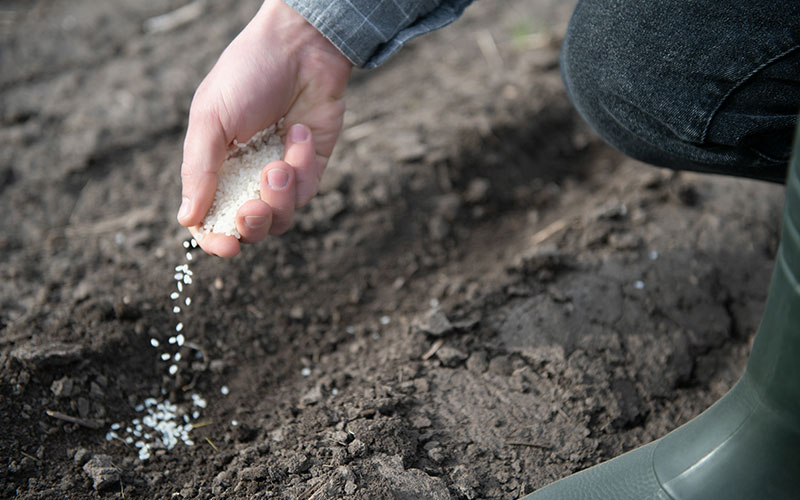
MOP comes in five grades based on particle size. Each grade fits a different job on the farm.
- Granular Grade: This grade has large, round pellets about 2 to 4 mm wide. Farmers spread it by hand or with machines, and the big size keeps it from blowing away in the wind. It also mixes well with other dry fertilizers like urea or DAP.
- Standard Grade: This grade has smaller crystals, usually 1 to 2 mm across. It works well for direct soil use and for making blended fertilizers. Many factories buy this grade to mix into NPK products.
- Fine/Powder Grade: This grade has very small particles, almost like flour, so it dissolves quickly in water. That makes it great for liquid mixes, but it can be dusty and needs careful handling.
- Coarse Grade: This grade has the biggest particles of all, which means it releases nutrients more slowly. Farmers pick it for crops that benefit from slow feeding. It also works well for big fields where machines spread fertilizer.
- Soluble Grade: This is the purest form of MOP because it dissolves fully in water with no leftover dust. Greenhouses and drip systems use this grade for fertigation. It costs more than other grades, but it pays off for high-value crops.
What Are the Key Benefits of Using MOP?
MOP offers six strong benefits. That is why it remains the top potassium source for farmers worldwide.
- Stronger roots and stems: Potassium helps plants build thicker cell walls, which leads to firmer stems and deeper roots. Strong plants stand up better against wind and rain.
- Better drought defense: Plants with enough potassium close their leaf pores at the right time. This saves water during dry spells and helps crops survive long heat waves.
- More disease resistance: Good potassium levels help plants resist fungus and pests, while the chloride in MOP also blocks certain root diseases. Together, these effects can reduce the need for chemical sprays.
- Sweeter fruit and richer protein: Potassium moves sugar and starch from leaves to fruit, grain, or roots. This produces sweeter apples, plumper grain, and richer protein in beans and other legumes.
- Longer shelf life: Crops with enough potassium store better after harvest, which matters for fruits, vegetables, and grains shipped long distances. Better storage life can also mean higher market prices.
- Lower cost per nutrient: MOP costs about 40% to 50% less than SOP for the same amount of potassium. SOP stands for sulfate of potash, which is more expensive to produce. For large farms, this difference can save thousands of dollars each season.
What Are the Main Application Methods for MOP?
There are five ways to apply MOP. The best method depends on your crop, soil, and equipment.
- Broadcast application: This means spreading MOP across the whole field before planting. Farmers use this method for big fields and bulk crops like wheat or corn. After spreading, the fertilizer should be worked into the topsoil with a tiller or plow.
- Banded application: This means placing MOP in a narrow strip near the seed row, usually 2 to 3 inches to the side and below the seed. Direct contact with seeds can burn them because MOP has a high salt level, so proper placement is key.
- Fertigation and liquid systems: This means mixing MOP into irrigation water so drip and sprinkler systems can carry nutrients straight to plant roots. Use soluble-grade MOP for this method to prevent clogged pipes.
- Foliar application: This means spraying a weak MOP solution onto plant leaves, usually as a quick fix during the growing season. Keep the mix diluted to avoid leaf burn, since concentrated salt can damage tender tissue.
- Split applications: Instead of applying it all at once, split the total into two or three smaller doses across the season. This approach works well on sandy soil where nutrients wash away fast, and it matches plant needs at different growth stages.
What Are the Advantages and Disadvantages of MOP?
MOP has clear strengths but also real drawbacks. Weigh both sides before you choose it for your farm.
Advantages:
- Highest potassium content: No other potash fertilizer has more K₂O per bag than MOP, which means you haul and store less for the same amount of nutrients. This saves both money and storage space.
- Best price per unit: MOP is the cheapest way to add potassium to soil, which is a big deal for row-crop farms on tight budgets. Lower input costs can mean higher profits at harvest.
- Great water solubility: MOP dissolves quickly and fully in water, which makes it perfect for liquid blends and fertigation systems. It also reaches plant roots faster after application.
- Chloride benefits: The chloride in MOP fights root and stem diseases, which helps corn, wheat, and other tolerant crops grow better. In some cases, it can even improve grain quality.
- Widely available: MOP is sold in nearly every country, so supply stays steady and most farm stores keep it in stock. This reliability matters when you need fertilizer on short notice.
Disadvantages:
- High salt index: MOP has a salt index of 116, which is high enough to harm seeds and young roots if used the wrong way. Keep it away from direct seed contact to avoid losses.
- High chloride content: About 47% of MOP is chloride, and some crops can’t handle this much. Using MOP on sensitive plants can actually lower yields rather than boost them.
- Buildup in dry areas: In regions with little rainfall, chloride can build up in the soil over time. Higher soil salinity makes it harder for plants to take in water and nutrients.
- Quality issues in some crops: Crops like potatoes, tobacco, grapes, and tomatoes often lose flavor and storage quality with too much chloride. SOP is a better fit for these high-value plants.
- Environmental concerns: Heavy MOP use near rivers or wells can raise chloride levels in nearby water sources. This is bad news for both wildlife habitats and drinking water supplies.
When Should You Choose MOP Fertilizer?
MOP is the right pick in many farming situations. But it works best when you match it to your crops and soil.
- Chloride-tolerant crops: Corn, wheat, soybeans, cotton, rice, and sugar beets all handle chloride well, and some even grow better with it. MOP is usually the smartest choice for these crops.
- Cost-sensitive farms: Large grain and row-crop farms watch every dollar, and MOP gives the most potassium per dollar spent. Choosing it can lower your overall input costs.
- Low-chloride soils: When a soil test shows your fields are short on chloride, MOP can fix two problems at once because it adds both potassium and chloride together. This dual benefit makes it a smart pick.
- Liquid fertilizer programs: Soluble MOP works well in drip lines and sprinkler systems, since it feeds crops in small, steady doses. This precise feeding often improves both yield and nutrient use.
- Areas with regular rainfall: Frequent rain washes extra chloride deep into the soil and away from the root zone, which prevents salt buildup over time. This makes MOP safer to use long-term in wetter climates.
- When sulfur is already enough: Some soils already have plenty of sulfur, so the extra sulfur in SOP isn’t needed. In these cases, MOP is the better and cheaper choice.
MOP Fertilizer Buying Guide: What Should You Consider?
Buying MOP is more than just picking the cheapest bag. Think through these three key areas before placing your order.
- Quality specifications: Check the K₂O content on the label. Good MOP should show at least 60% K₂O. Moisture content should stay under 1%. Ask the supplier for a chemical analysis report to confirm what’s in the bag.
- Suppliers and product quality: Buy from trusted sellers with a strong track record. Look for suppliers who give certificates of analysis with each shipment. Read reviews from other farmers and ask for samples before placing big orders. A good supplier will share batch numbers and source info.
- Pricing factors: MOP prices change based on global supply, shipping costs, fuel prices, and demand. Prices usually drop after harvest and climb before planting. Compare quotes from at least three suppliers. Watch for bulk discounts on full truck or container loads.
What Are the Critical Packaging and Storage Considerations?
Good packaging and storage keep MOP working well. It stays useful from the day you buy it to the day you spread it.
- Packaging options: MOP comes in 50 kg woven bags for small farms, bulk bags of 1,000 kg for medium farms, and loose bulk by the truckload for large operations. The right size depends on your storage space and how quickly you’ll use the product.
- Storage location: Store MOP in a dry, covered space and keep it off bare ground by using pallets. If you must store it outside, cover it with tarps, because MOP soaks up moisture from the air and quickly becomes clumpy and hard to spread.
- Shelf life: MOP does not go bad as long as you keep it dry, and it will hold its full nutrient value for years. Moisture is the only real enemy, so good storage habits pay off.
- Safety in handling: Wear gloves, a mask, and goggles when working with MOP, since the dust can irritate skin, lungs, and eyes. Wash your hands after use and keep MOP well out of reach of children and pets.
- Transport logistics: Plan shipping ahead of time, since sea container loads are cheapest for big orders, while truck loads make sense for closer suppliers. Make sure tarps and covers stay tight to block rain during transit.
How to Ensure Regulatory Compliance When Buying MOP?
Each country and state has its own fertilizer rules. Check these areas to stay on the right side of the law.
- Fertilizer registration: Most countries require fertilizers to be registered before they can be sold. Make sure the MOP you buy is approved in your region, and ask the supplier for a copy of the registration certificate.
- Import and export papers: If you bring MOP across borders, you’ll need proper customs forms, tariff codes, and tax documents. Some countries also require import permits for fertilizer shipments.
- Local farming rules: Some areas limit how much chloride farmers can apply per acre, while others require records of fertilizer use. Check with your local farm office to learn the specific rules in your area.
- Product labels: Every bag should show the nutrient grade, weight, batch number, and maker’s name. Missing labels can lead to fines, rejected shipments, or other delays.
- Environmental and safety standards: Some regions ban MOP near drinking water sources or sensitive wetlands, while others set safety rules for storage near homes. Know these rules before ordering large amounts.
How to Apply MOP Safely and Effectively?
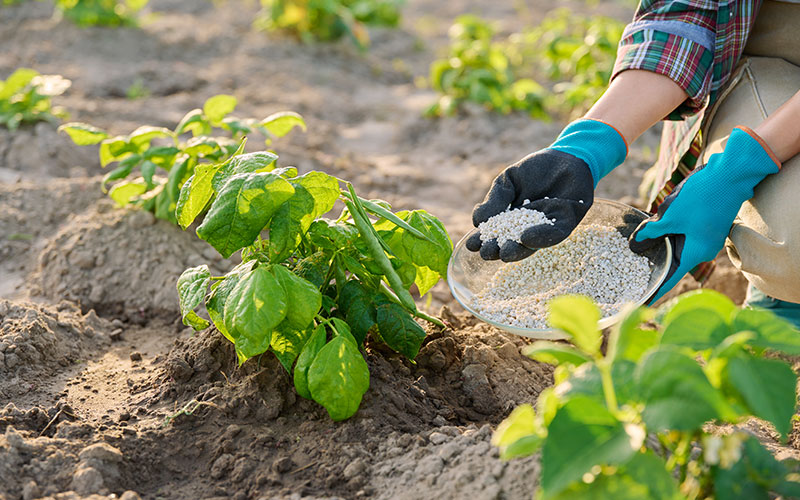
Smart application gets you the best results from MOP. It also protects your crops, soil, and the environment.
- Start with a soil test: Never guess how much potassium your fields need, because a soil test gives you a reliable answer. Most experts suggest testing every two or three years to track changes over time.
- Place banded MOP away from seeds: When banding, keep MOP at least 2 inches to the side and below seeds, since direct contact will burn young roots and kill seedlings. Proper placement is one of the most important parts of safe use.
- Split doses on sandy soil: Sandy soil leaks nutrients fast, so apply half your MOP at planting and the rest later in the season. This timing matches what plants can actually absorb and reduces wasted fertilizer.
- Time it right: Apply MOP before planting or early in the growing season, because plants need the most potassium during active growth. Late applications waste money and rarely boost yields.
- Avoid over-application: More is not always better, since too much MOP raises soil salt levels and can hurt crops instead of helping them. Stick to the rates your soil test recommends.
FAQs
What is the full form of MOP fertilizer?
MOP stands for Muriate of Potash, which is the common name for potassium chloride (KCl).
What is the NPK ratio of MOP?
The NPK ratio of MOP is 0-0-60 or 0-0-62. This means no nitrogen, no phosphorus, and 60% to 62% potassium as K₂O.
Can MOP be used for all crops?
No. MOP works best for chloride-tolerant crops like corn, wheat, and rice. Chloride-sensitive crops such as potatoes, tobacco, and many fruits and vegetables should use SOP instead.
How long does MOP fertilizer last in storage?
When stored in a dry, covered place, MOP keeps its full quality for many years. Moisture is the only thing that can damage it.
What is the difference between white and red MOP?
The color comes from natural minerals mixed in during mining. Both colors have the same nutrient value. The grade and K₂O content matter much more than color.