

Global Freight Rates Fall Across the Board, International Maritime Logistics Enters a Period of Phased Adjustment
Recently, the global container shipping market has seen a notable pullback. The latest SCFI dropped by 7.39%, marking three consecutive weeks of decline with the rate of fall expanding. All four major shipping routes—East America, West America, Europe and the Mediterranean—saw lower rates, with declines of 8.5%, 5.01%, 4.83% and 7.61% respectively. At the same time, secondary routes including those to Southeast Asia, South America and Africa have also generally followed the downward trend, resulting in an almost universal drop in freight rates across all routes. Industry analysts point out that driven by both the Spring Festival holiday and weak market demand, there is a clear lack of momentum for a freight rate rebound before the end of February.
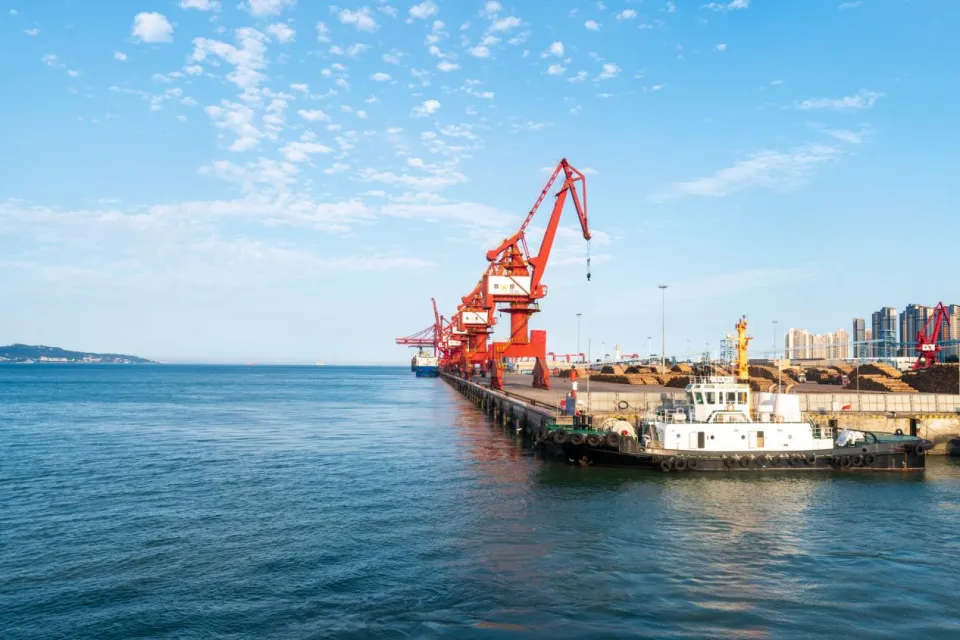
The core driver of this round of falling freight rates is the fierce price competition among shipping companies vying to seize the shipping window before the Spring Festival. As the Chinese Lunar New Year approaches, a large number of exporters hope to complete shipments before the holiday. Shipping companies have all arranged shipping space in advance and adopted price reduction strategies to attract cargo sources. Some major shipping enterprises have clearly informed customers that the current freight rates will remain in place until mid-February; many carriers have even launched “special offers” in the spot market to boost ship load factors. While this approach of “trading price for volume” has boosted booking activity in the short term, it has further pushed down the overall market price level.
Against this backdrop, the international maritime logistics system is undergoing a structural adjustment. As the main artery of global trade transportation, international maritime logistics not only covers ocean trunk line transportation, but also involves multiple links such as port loading and unloading, feeder barge transportation, yard management, document flow and connection with land transportation. The current general decline in freight rates has reduced transportation costs for export enterprises, but it has also put forward higher requirements for the operational efficiency, digital capabilities and comprehensive coordination level of international maritime logistics service providers. Especially with narrowed profit margins, optimizing shipping schedules, reducing port delays and improving container turnover efficiency have become the key for major shipping and logistics entities to break through in the competition.
In the past two years, disturbed by factors such as the Red Sea crisis, the drought in the Panama Canal and geopolitical conflicts, international maritime logistics once fell into an abnormal operation state with high costs and high volatility. Now, as major shipping lanes stabilize and global inventories are gradually depleted, the market is returning to rationality, and international maritime logistics is shifting from the emergency mode of “ensuring smooth and unimpeded transportation” to a high-quality development stage featuring “cost reduction, efficiency improvement, green development and digitalization”.
Although the current falling freight rates help ease export pressure, a prolonged slump may dampen shipping companies’ enthusiasm for investing in new ships or upgrading green technologies, thereby affecting the sustainable development of international maritime logistics. In addition, the full implementation of global environmental regulations (such as the IMO’s Carbon Intensity Indicator, CII) in 2026 is imminent, putting the shipping industry under pressure for decarbonization transformation, and the cost structure may rise again in the future. Therefore, the industry calls for accelerating the construction of a more resilient, intelligent and low-carbon international maritime logistics system while enjoying the current dividend of low freight rates.
Looking ahead, most institutions believe that constrained by factors such as factory shutdowns during the Spring Festival holiday and the moderate recovery of consumer demand in Europe and the United States, overall shipment volumes in February are unlikely to see a substantial increase, and freight rates lack strong support. Even if some shipping companies make tentative price hikes in late February, the actual implementation effect remains to be seen. It can be predicted that the international maritime logistics market will remain in a transitional phase of supply and demand rebalancing in the coming weeks.To sum up, this round of freight rate declines across all routes is both a result of seasonal factors and a reflection of the cyclical adjustment of international maritime logistics. Only through technological innovation, collaborative cooperation and green transformation can we consolidate the foundation of international maritime logistics in the new pattern of global trade and provide solid support for the high-quality development of foreign trade.